
You are searching for an SEO shortcut to compete, and this search often leads to the most dangerous tool available. To truly understand the risk, you must first answer: what is a PBN site? This Postspack’s guide will not only define it but reveal the hidden mechanics and dire consequences most avoid discussing, providing the safe path forward every ethical marketer needs.
PBN Site Can Be Your Fastest Route to a Google Ban
A PBN (Private Blog Network) site is a website created not for a real audience, but as a pawn in a link-building scheme. These sites exist solely to pass Trick Google to other money-making sites, manipulating search algorithms.
- Built on Expired Domains: PBNs often use expired domain names that once had real authority. This existing power is hijacked to make the new PBN site appear instantly credible.
- Designed to Deceive: Owners use different hosting, designs, and writing styles to hide the network’s connection. This hiding of the footprint is crucial to avoid detection.
- The Core Function: These PBN sites publish articles containing hyperlinks pointing to the owner’s main business websites, creating a false signal of popularity for search engines.
What Is a PBN Site? Multiple Sides of the Same Risky Coin
| Role | Who They Are | Core Motivation | Typical Behavior | Short Term Outcome | Long Term Consequence | Real Risk Holder |
| The Hunter (SEO or Agency) | The person or agency building and controlling the PBN | Faster rankings with less effort compared to white hat SEO | Buys expired domains, publishes cheap content, hides ownership signals | Quick ranking spikes that look impressive in reports | Constant fear of detection, repeated rebuilds, and eventual network burn | Usually low. They can abandon the network and move on |
| The Brand (Business Owner) | The website receiving PBN links | Business growth without micromanaging SEO tactics | Outsources SEO and focuses on results, not methods | Temporary traffic and ranking improvement | Algorithmic or manual penalties that damage trust and revenue | Extremely high. The brand site takes the full hit |
| The Search Engine | Google or other search platforms | Deliver trustworthy and relevant results to users | Detects patterns, footprints, and unnatural link behavior | Allows rankings to fluctuate while data is gathered | Penalizes or devalues entire link profiles | None. They enforce rules, not suffer from them |
| The End User | Real people searching online | Find useful, credible information | Clicks on top ranking results, assuming quality | May find low value or misleading content | Loses trust in brands that disappear or drop in quality | Time and trust are wasted |
| The SEO Industry | Freelancers, agencies, and consultants | Prove value and deliver measurable outcomes | Some educate clients, others hide shortcuts | Mixed reputation and client confusion | Erosion of trust in SEO as a profession | Collective credibility loss |
Why Artificial Intelligence Amplifies The Risk

A common misconception is that AI makes PBNs safe. The reality is AI only makes the fallout worse and is a key part of understanding what is a PBN site in the modern era.
- Efficiency Creates Scale, Not Safety: AI generates articles rapidly, making huge networks affordable. However, this scale creates clearer patterns for Google’s own AI (like SpamBrain) to detect. You are building a bigger target.
- The Detectable Pattern: AI-generated PBNs often lack true expertise and show unnatural growth. A real blog gains posts over time. A PBN might launch with 50 articles at once, creating a red flag called an unnatural temporal footprint.
- The Statistical Reality: Industry analysis shows the vast majority of identifiable PBNs are eventually devalued. Studies suggest a detection rate exceeding 95%. You are betting against near-certain odds.
The Guaranteed Consequences You Cannot Ignore
Choosing to use a PBN is a direct violation of search engine guidelines. The consequences are not a “maybe”; they are a “when.”
- Search Engine Penalties: Your money site can receive a manual action or be algorithmically demoted. This often results in a loss of over 90% of organic traffic. Recovery can take months or years.
- Total Financial Waste: Every dollar spent on domain auctions, hosting, and content for the PBN is completely lost. The lost revenue typically dwarfs the initial “savings.”
- Permanent Brand Damage: Trust is difficult to rebuild. Customers who discover your rankings were built on deception will question your integrity.
The Secure Alternative: Building Real Authority
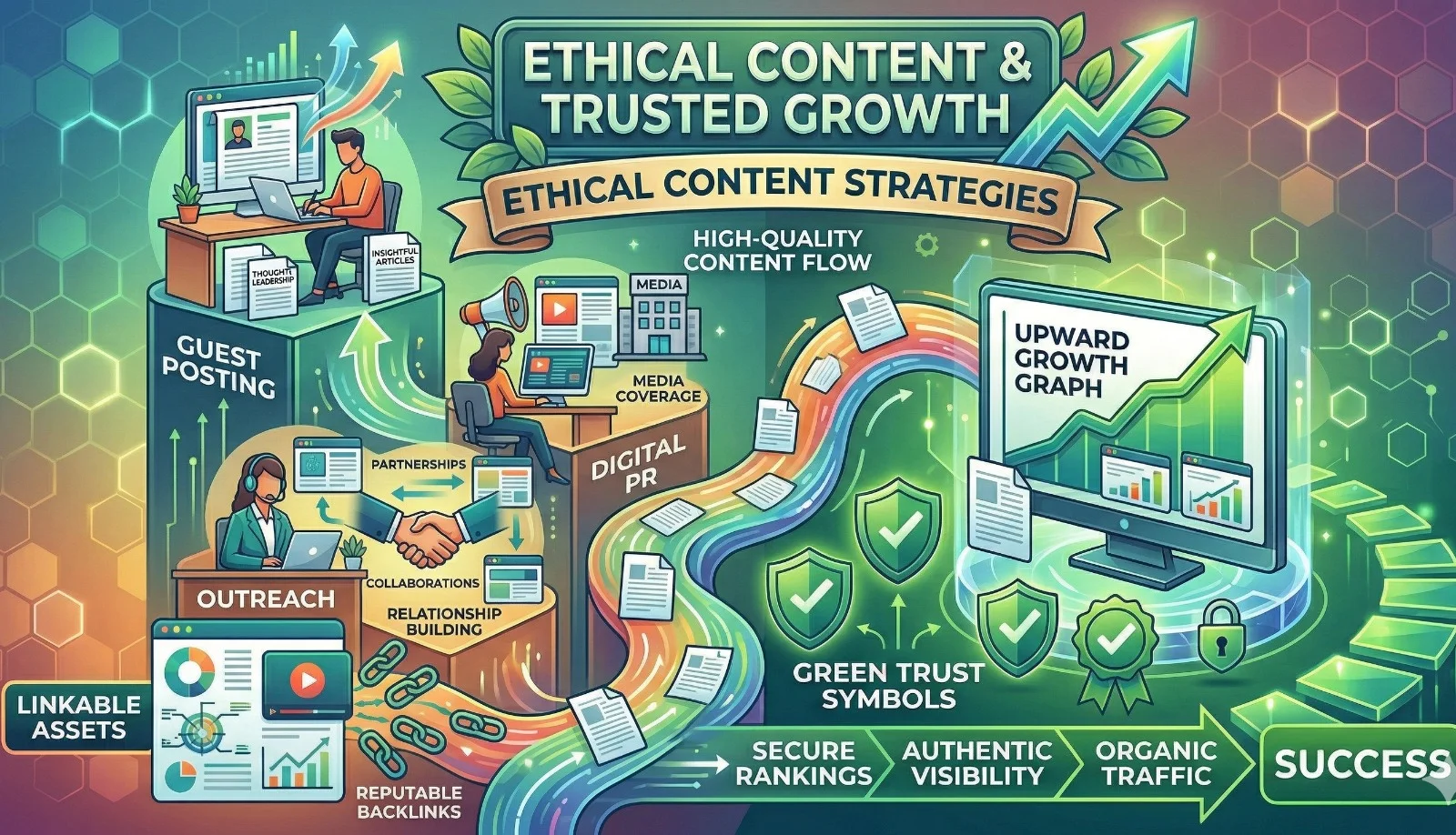
If you feel pressured to rank, redirect energy into strategies that build a lasting, penalty-proof presence. This is the true answer for anyone wondering what to do after learning what is a PBN site.
- Create Exceptional Content: Focus on depth, originality, and solving real problems. Comprehensive guides and original data studies naturally attract legitimate links.
- Pursue Digital PR and Outreach: Build genuine relationships with publishers. Offer unique insights or high-quality guest posts that provide value to their audience.
- Fix Broken Links: Use tools to find broken pages on relevant authority websites. Politely contact the webmaster and suggest your relevant content as a helpful replacement.
- Invest in Professional Growth: For businesses committed to integrity, a service like PostPace provides a structured, white-hat alternative, focusing on earning genuine authority through expert content.
Frequently Asked Questions
1. What specific steps are involved in the construction of a PBN site from start to finish?
You find old domains, host them on different servers, build simple sites, add some articles, and put in links to your main website.
2. What are the immediate technical indicators that search engines use to identify and flag a PBN?
Google looks for things that connect the sites, like the same owner details, identical designs, shared hosting, and weird link patterns.
3. What happens to a main website’s search traffic immediately after a Google penalty for using a PBN?
It crashes. Your site disappears from search results, and your traffic goes away almost instantly.
4. Beyond penalties, what are the practical and financial burdens of maintaining a functional PBN?
You’re always paying. New domains, multiple hosting bills, fresh content, and fighting off hackers. The costs and work never stop.
5.How does a link from a PBN site differ fundamentally from a legitimate, editorially given backlink?
A real link is a vote from another website’s owner. A PBN link is a vote you gave to yourself from a site you own. It’s fake.
6.Why would a business owner be tempted to use a PBN despite understanding the severe risks involved?
Because ranking honestly is slow and hard. They want to beat their competitors now, not later, and they gamble they won’t get caught.
7.What is the safest, most effective long-term alternative to using a PBN for improving website authority?
Make something people actually need. Build a tool, write the best guide, or share real data. Good stuff gets real links.
8.If a site owner discovers toxic PBN links pointing to their site, what is the correct process for disavowing them?
Get a list of the bad links, put them in a text file, and upload it to Google’s Disavow Tool. You’re asking Google to ignore those links.
Conclusion
Ultimately, if you’re trying to understand what is a pbn site, just know it’s a shortcut that leads to a dead end. It’s a fancy way to dig your own site’s grave. Lasting success comes from building real value for real people, not a house of cards that can collapse with one algorithm update. That’s the core of what we believe at Postspack. Our service focuses on the steady, honest work of creating genuine authority, because that’s the only ranking power that truly sticks.