Let’s cut through the noise. Everyone talks about Are Wiki Backlinks Good like they’re a secret SEO weapon or a complete waste of time—but the truth is far more interesting. The simple answer is yes, they are incredibly good, but not for the reason you probably think. It’s not about a direct SEO boost; it’s about earning a badge of trust that puts your brand in front of the world’s most curious audience. Forget the algorithm for a second; you’re being vetted by the internet’s toughest librarians. And that matters more than you know.
Stop Ignoring Wiki Backlinks: The “Nofollow” Myth Is Costing You Authority
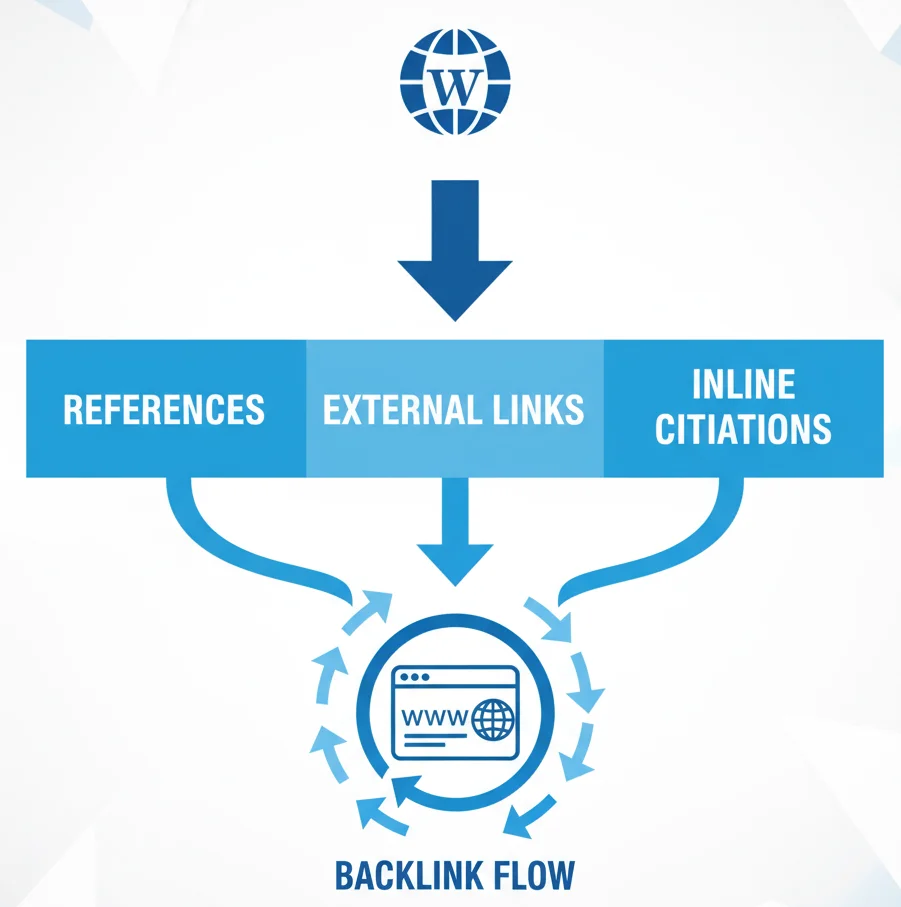
Wiki backlinks are simply links from Wikipedia pages that lead to your website. These links usually appear in:
- The “References” section
- The “External links” section
- Or sometimes within inline citations
They serve as contextual support for the information presented on Wikipedia. When readers click these links, they’re taken to your website for more detailed insights or data.
Even though they’re not dofollow, they still strengthen semantic SEO — connecting your content with credible topics and improving how Google understands your site’s relevance.
Fact check: According to a Backlinko study, websites linked from high-authority domains like Wikipedia receive up to 32% more organic clicks on average compared to similar pages without such mentions.
Are Wiki Backlinks Good for SEO Authority?
Absolutely. They don’t pass PageRank directly, but their trust signal is very powerful. Search engines recognize Wikipedia as one of the most authoritative sites on the internet.
When your website appears as a source on a Wikipedia page, it shows:
- You’re trusted enough to be referenced.
- Your content is factual, reliable, and aligned with top-tier topics.
This credibility indirectly helps with ranking improvements over time.
How Wiki Backlinks Help Your SEO Strategy
Even though they are nofollow, there are five main indirect benefits of Wikipedia backlinks:
| Benefit | Impact on SEO |
| 1. Referral Traffic | Wikipedia has over 6 billion monthly visitors. Even a small portion clicking your link can bring consistent traffic. |
| 2. Authority Signal | A Wikipedia mention helps build E-E-A-T (Experience, Expertise, Authoritativeness, Trustworthiness) signals. |
| 3. Brand Visibility | Wikipedia links expose your brand to a global audience, improving brand recall. |
| 4. Natural Link Attraction | Journalists and bloggers often copy Wikipedia references, creating organic backlinks. |
| 5. Indexing Speed | Pages cited on Wikipedia tend to be crawled and indexed faster by search engines. |
So when we ask again — are wiki backlinks good — the answer leans toward yes, because their long-term SEO benefits outweigh their technical limitations.
How to Get Wikipedia Backlinks the Right Way
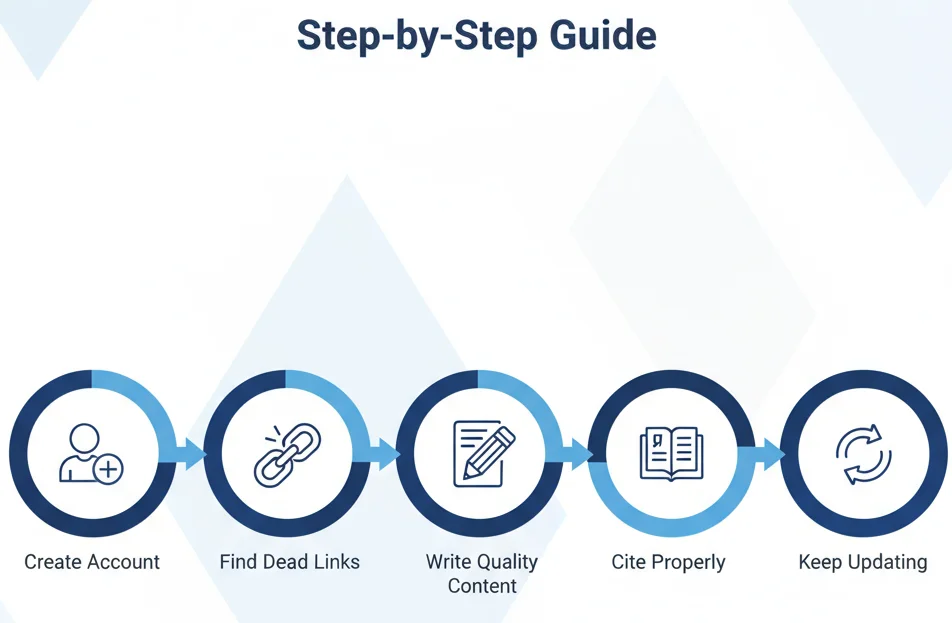
1. Create a Wikipedia Account
Having a verified Wikipedia account builds credibility with editors. It also lets you interact with other contributors and edit semi-protected pages.
2. Look for Dead Links
Use tools like WikiGrabber or Ahrefs Broken Link Checker to find dead external links on relevant pages. Replace them with your live, high-quality source.
3. Write High-Quality Content
Your website content should be well-researched, factual, and helpful. Wikipedia editors are strict — low-quality or self-promotional content is quickly removed.
4. Use Proper Citation Format
Cite your website as a reference, not as an ad. Use neutral anchor text, not keyword-heavy text like “best SEO tools.”
5. Keep Updating
Wikipedia values accuracy. If your linked page becomes outdated, editors may remove it. Regular updates help maintain your backlinks permanently.
Are Wiki Backlinks Good Compared to Dofollow Links?
| Factor | Wikipedia Backlinks (Nofollow) | Dofollow Links |
| Link Equity | No direct PageRank | Passes PageRank |
| Trust Value | High (from authority domain) | Varies by site |
| Risk of Penalty | Very Low | Possible with link schemes |
| Long-Term SEO Benefit | Indirect via traffic & visibility | Direct ranking improvement |
| Cost & Safety | Free and safe | Often paid or risky |
If you want to understand how Wikipedia backlinks fit into the broader picture of safe, powerful backlink types, check out our detailed guide on 50 Types of Backlinks and how each one impacts SEO differently.
So, while dofollow links are technically stronger for SEO ranking, Wikipedia backlinks complement your profile naturally, balancing safety with reputation.
The Risks of Buying Wiki Backlinks
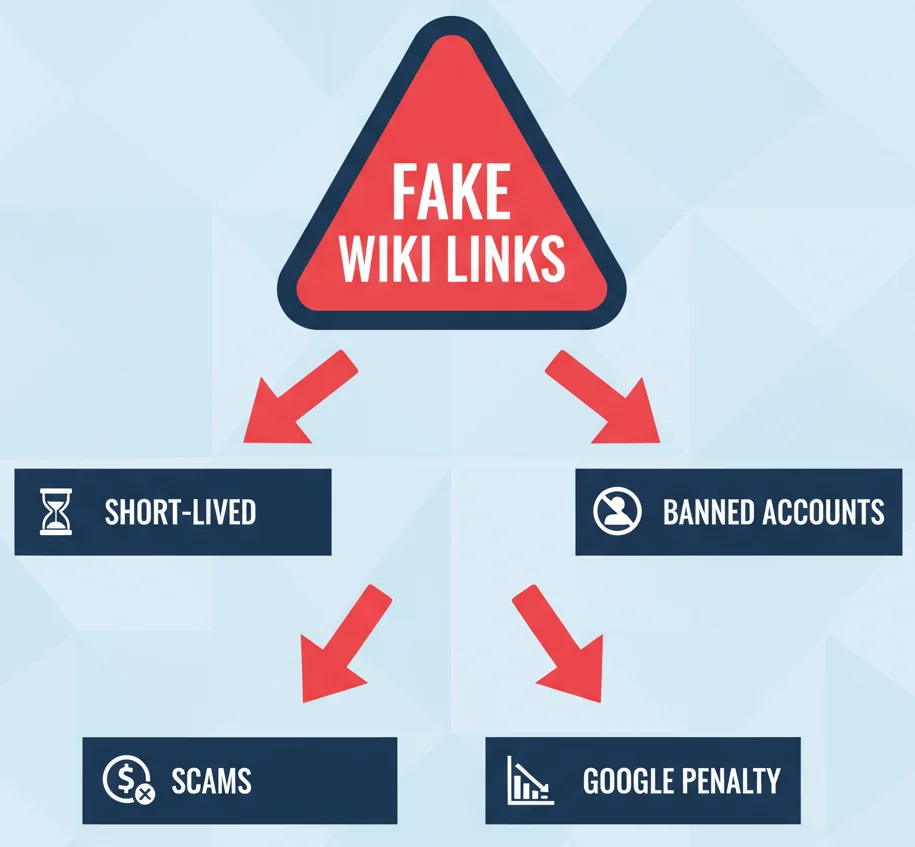
Some marketers sell “guaranteed Wikipedia backlinks.” Avoid them. Here’s why:
- All links are nofollow — buying them won’t pass any link equity.
- Wikipedia bans paid promotion — editors will remove links and ban your account.
- Google may penalize paid link schemes.
- Most sellers are scams — offering short-lived links that vanish after edits.
Instead, focus on earning your place through genuine contributions and original research.
Why Google Still Values Wikipedia Mentions
In the age of AI-driven search, Google’s understanding of authority goes beyond dofollow metrics. It now measures entity relationships — how often a brand or domain appears alongside trusted data sources.
When your name is linked on Wikipedia, Google’s semantic algorithms recognize your brand as an entity connected to verified topics. This boosts your topical authority even if no link juice flows directly.
People Also Ask
Does a Wiki link directly boost my Google ranking?
What kind of site actually deserves a Wikipedia link?
How do I even get a link? Can I just add it myself?
Is it worth the effort to try and get one?
I see some low-quality sites with Wiki links. How did they get them?
Are there any risks involved?
If the link is ‘nofollow,’ why should I even care?
Summing Up
Are wiki backlinks good? Let’s settle this once and for all.
They’re not a magic SEO button, but they’re far from useless. A Wikipedia link acts like a trusted stamp of approval, building your credibility and driving curious readers straight to your site. It’s about earning respect, not just chasing algorithms.
If you’re ready to build real authority that both readers and search engines trust, this is the kind of organic growth strategy we embrace at Postspack. Let’s create something worth linking to.