Let’s end the debate right now. While your competitors are still wondering, the evidence is clear: the question “Do niche edits work in SEO?” is no longer the right one. The real question is, why are your competitors using them to outrank you silently? This isn’t about theory; it’s about a tactical advantage. If you’re tired of guessing and ready to execute, these POSTSPACK’s 10 Guaranteed Best Practices are your playbook for dominating the search results.
1.Relevance is Your #1 Rule
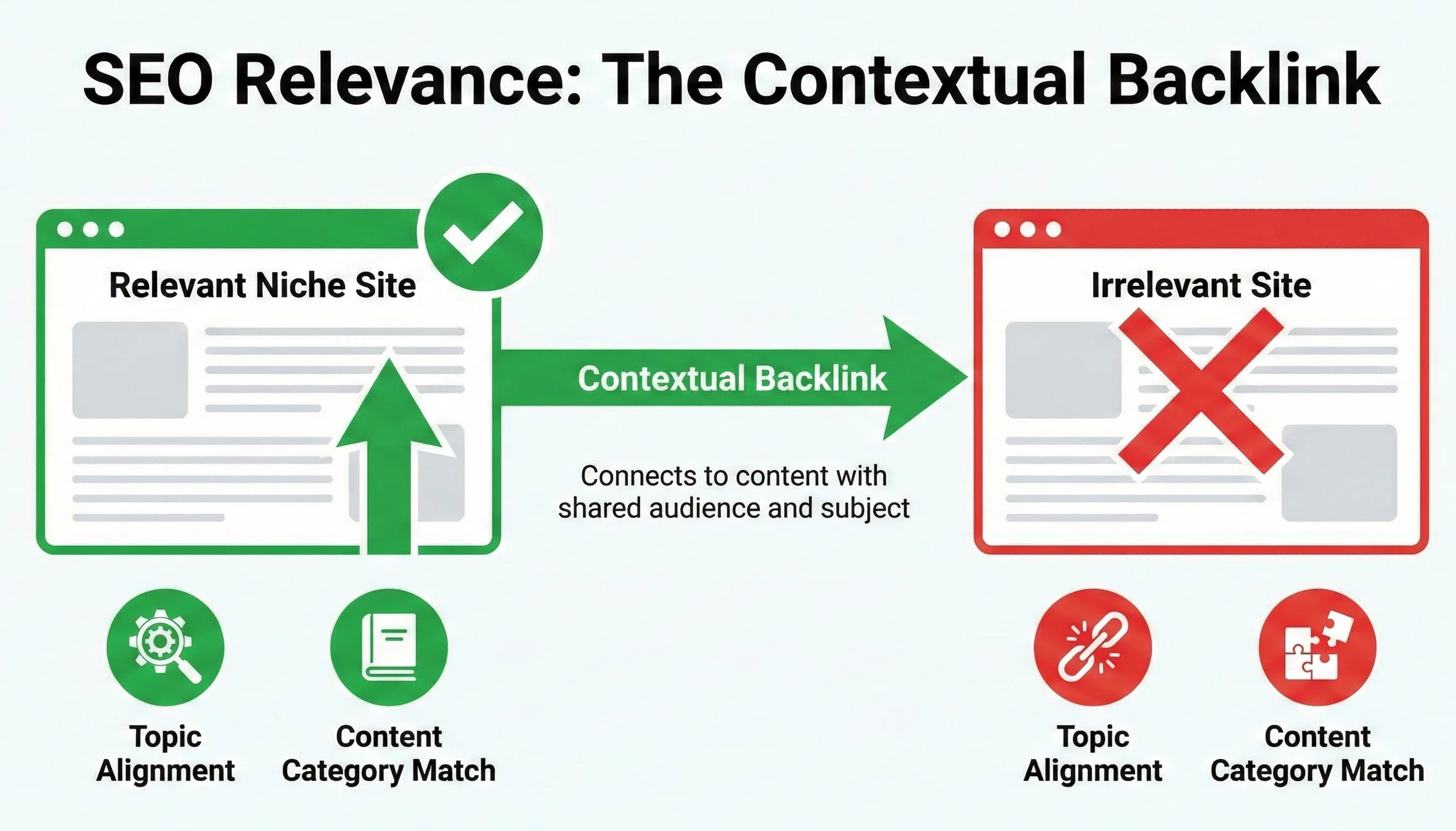
Forget chasing big Domain Authority numbers if the topic is wrong. A link from the perfect, relevant small site will always beat a link from a giant, unrelated one.
- Bad: Getting a link from a DR 70 crypto site for your fitness brand.
- Good: Getting a link from a DR 35 health blog that your customers actually read.
This perfect topic-match is the core reason “do niche edits work in SEO”? It tells Google your connection makes sense. Ignore this, and you’re just wasting your budget.
2.Conduct a Deep-Dive Site Autopsy
Before outreach, become a detective. Use tools like Ahrefs or Semrush to analyze the target site’s health. Check for:
- Organic Traffic Trends: Is it stable or growing? A sudden drop is a major red flag.
- Referring Domains: Are they from quality, relevant sites?
- Spam Score: Look for any signs of a toxic backlink profile.
A STUDY by SparkToro indicates that websites with high topical authority can see a 50% greater impact from contextual links than general-audience sites. This makes your vetting process critical.
3.Scrutinize the Page, Not Just the Domain
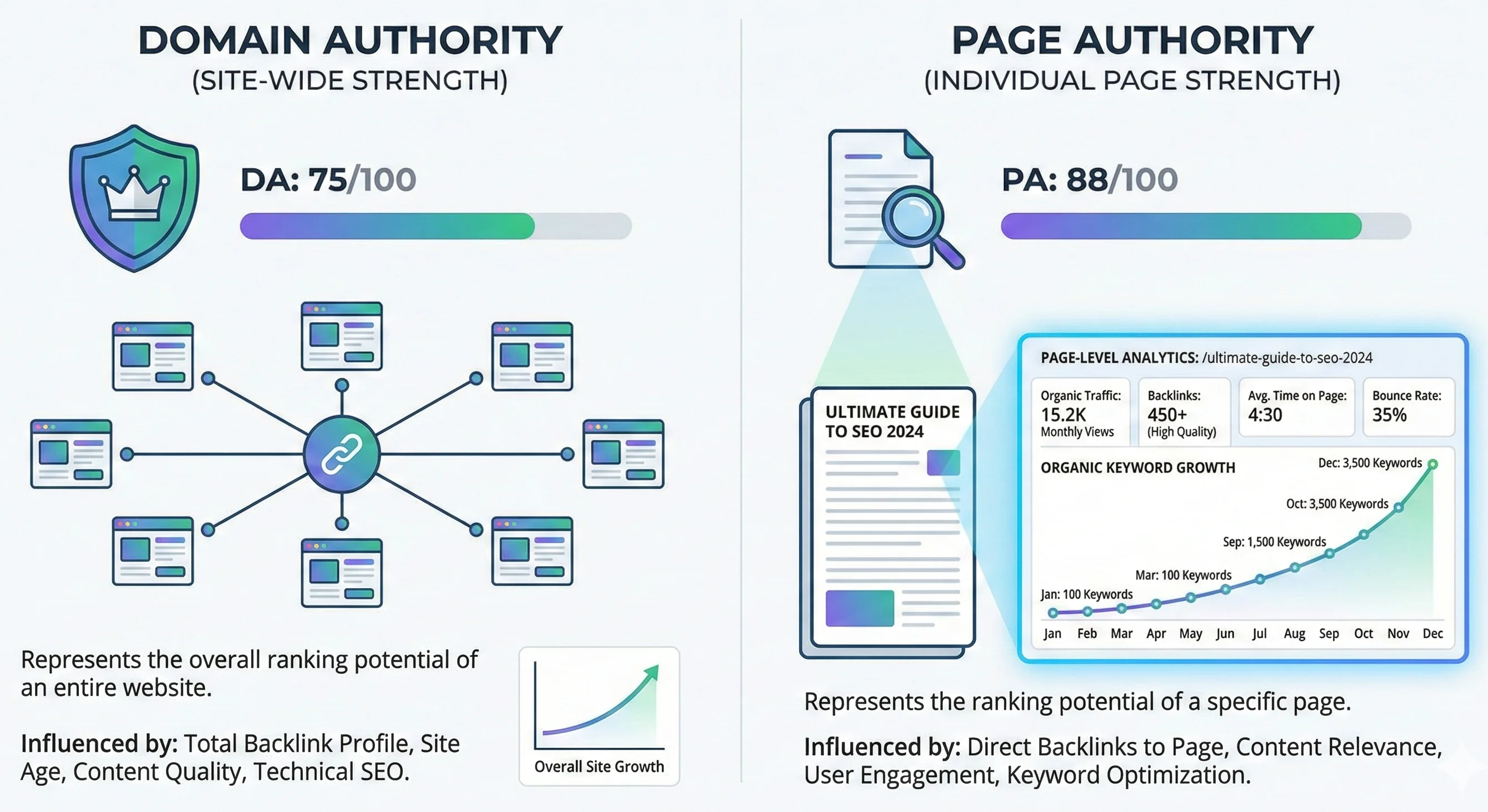
A great domain can have weak pages. You must analyze the specific article where your link will live.
- Check the page’s own organic traffic and ranking keywords.
- Read the content. Is it well-written, valuable, and authoritative?
- Ensure it’s a post that naturally aligns with your content.
4.Master the Art of Natural Anchor Text
This is where most campaigns fail. Over-optimized, exact-match anchor text is a glaring red flag for Google.
- Prioritize Branded Anchors: “Learn more at [YourBrand]” or “According to [YourBrand]’s study…”
- Use Natural Language: “As this in-depth guide explains…” or “For further details, see this resource.”
- Avoid Commercial Keywords: Do not use “best running shoes” as anchor text. Diversity is key to building a natural-looking link profile.
5.Seek Seamless Contextual Integration
Your link shouldn’t feel like an ad; it should feel like a citation. When proposing the edit, suggest a specific sentence that adds value to the existing content. For example:
- “This point about keto diets could be strengthened by linking to our original research on long-term effects.”
This editorial approach positions you as a helpful resource, not a link buyer.
Since niche edits depend heavily on contextual relevance and genuine editorial integration, you should also explore our breakdown of essential whitehat link-building techniques.
6.Go for Pages People Actually Read
Think of it this way: a link on a ghost town page is useless. You want a link on a busy street. Target articles that get steady, organic traffic. Google actively visits and trusts these pages, meaning the “link juice” they send your way is fresher and far more powerful.
7.Be a Human, Not a Robot
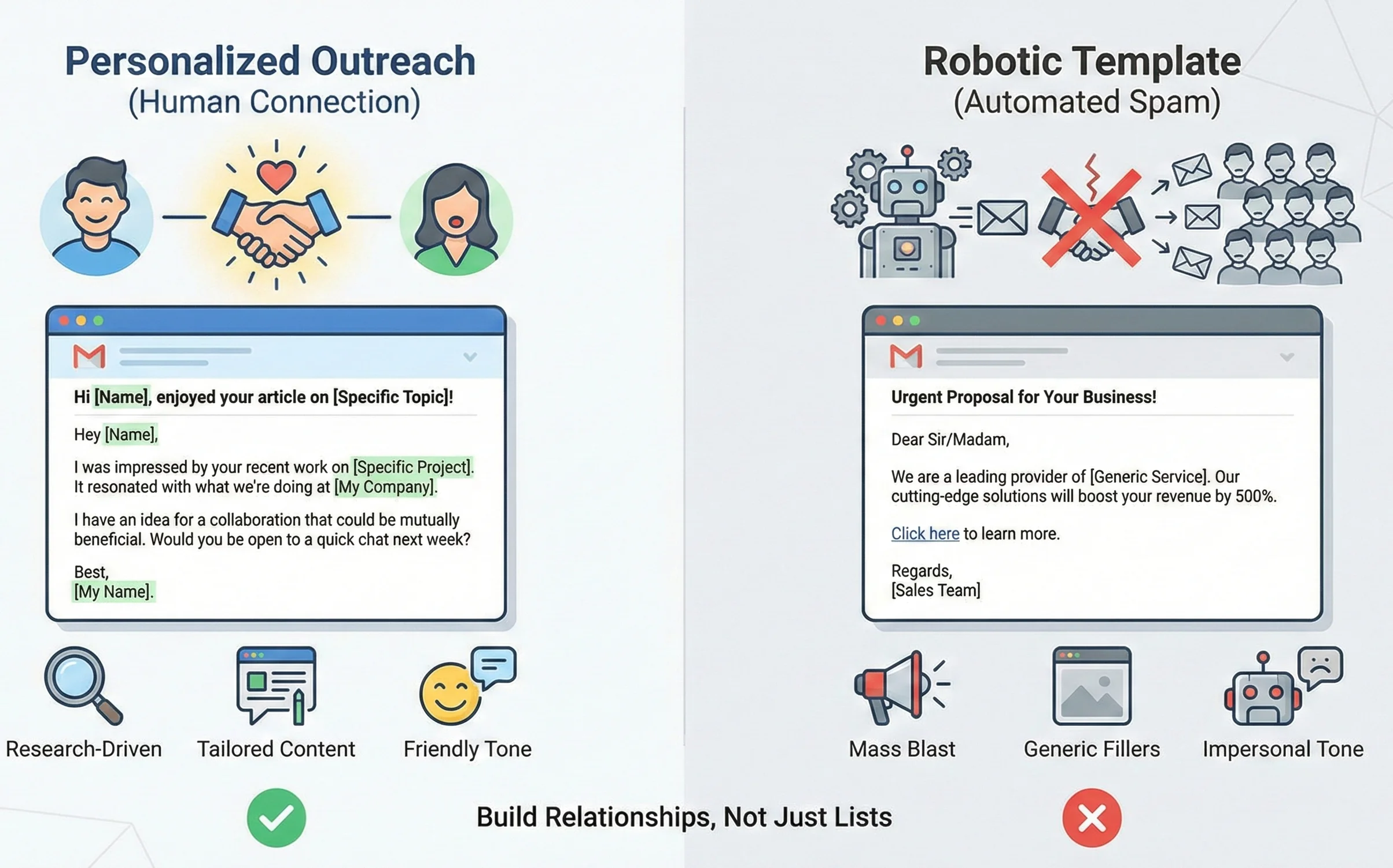
The secret sauce most people miss? Being genuine. The best niche edits come from real conversations, not copy-pasted emails.
- Actually read the article and give a real compliment.
- Briefly explain how your link helps their readers.
This human touch is what makes an editor say “yes” instead of hitting delete.
8.Don’t Put All Your Eggs in One Basket
Relying only on niche edits is a huge red flag. To make Google believe your profile is natural, you need a diverse mix:
- Guest posts
- Brand mentions
- Quality directory links
- Reclaiming unlinked mentions
This variety is what makes people confident about that question: do niche edits work in SEO? Because they’re part of a bigger, smarter strategy, not the whole strategy.
9.Negotiate for a “Dofollow” Link
This may seem clear, but it must be stated. Ensure the link you are paying for is a “dofollow” attribute, which allows link equity to pass. Some sites may try to insert “nofollow” links by default. Clarify this term upfront in your agreement.
10.Track and Measure Performance Relentlessly
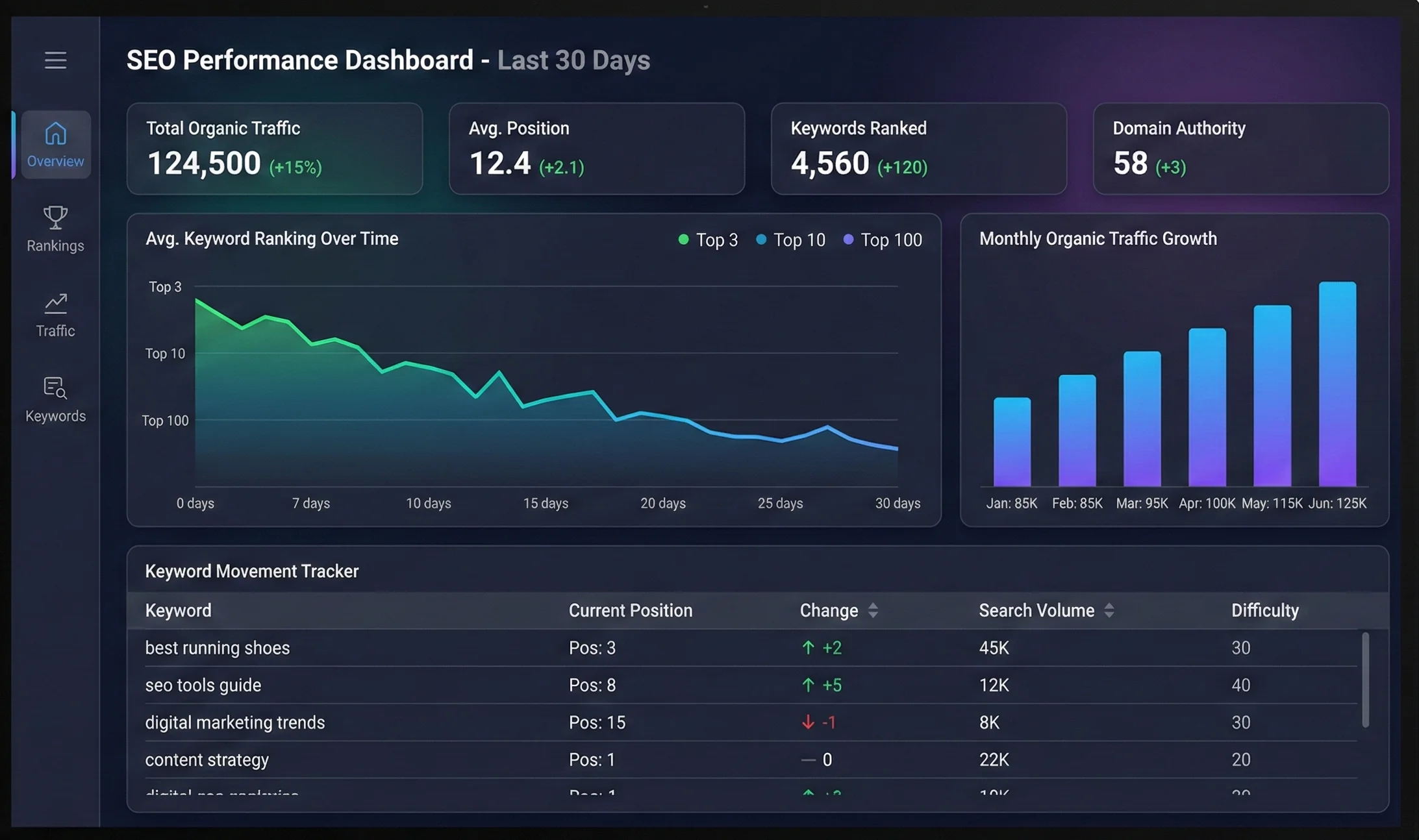
You cannot improve what you don’t measure. After securing a niche edit, use your SEO tracker to monitor:
- Movement in rankings for keywords related to the linked page.
- Changes in the organic traffic to the page you linked to.
- Any new referring domain alerts in your analytics?
This data tells you what’s working and allows you to double down on successful strategies.
Frequently Asked Questions (FAQ)
1. Do niche edits work in SEO for a brand-new website?
Proceed with extreme caution. A new site that suddenly gains powerful niche edits looks unnatural. It’s smarter to build a foundation with guest posts and brand mentions first.
2. What’s the real difference between a niche edit and a guest post?
Think of it like this: a guest post is building a new house on someone’s land. A niche edit is moving into a prime, already-furnished room in an established mansion. One gives you control, the other gives you instant authority.
3. Are niche edits safe from a Google penalty?
They are when done right. The danger comes from buying cheap, irrelevant links in bulk. A few high-quality, relevant niche edits are like gold dust, not a penalty trigger.
4. How can I be sure a site is safe for a niche edit?
Vet it like you’re hiring a key employee. Check its traffic, its backlink profile for spam, and actually read the content. If it feels low-quality to you, it looks low-quality to Google.
5. What’s the biggest mistake people make with anchor text?
They get greedy. Stuffing an exact-match keyword is a giant red flag. Use your brand name or natural phrases like “as this guide shows.” Keep it smooth, not spammy.
6. How much should I realistically pay for a quality niche edit?
Anywhere from $50 to over $500. The old saying is holding the truth: you get what you pay for. A $20 link is almost always a liability, not an asset.
7. Do niche edits work in SEO for driving direct referral traffic?
They can, but that’s a bonus. Their main job is to pass ranking power. If the page has real traffic, you might get clicks, but consider that the icing on the cake.
8. What’s the success rate for outreach?
It’s a numbers game, but quality beats quantity. A personalized, value-focused email might have a 5-15% success rate. A generic, spammy blast will get you a 0% success rate and a blocked email.
Final Conclusion
Forget the speculation. The real question isn’t do niche edits work in SEO—it’s whether you’ll use them correctly to pull ahead of your competitors. Master the best practices we’ve outlined, and you’ll stop chasing rankings and start locking them down for good.
This Postspack’s guide should set you on the right path. But if you’d rather have experts handle it, that’s where we come in. At Postspack, we cut through the noise to build you a real, results-driven backlink profile.
We truly hope this helps. If you’re stuck or ready to see what we can do, just reach out. Contact Postspack—we’re listening, and we’re ready to help you win.