If you’ve ever wondered how some websites rise to the top of Google without spammy tricks, the answer lies in one phrase — whitehat link building techniques. These are the ethical, Google-approved ways of earning backlinks that last for years and build true authority. In a world flooded with shortcuts, these techniques are the foundation of sustainable SEO growth.
Let’s uncover why they matter, how they work, and how you can master them with precision.
Why the ‘Slow’ Path is the Fastest Way to Dominate Google
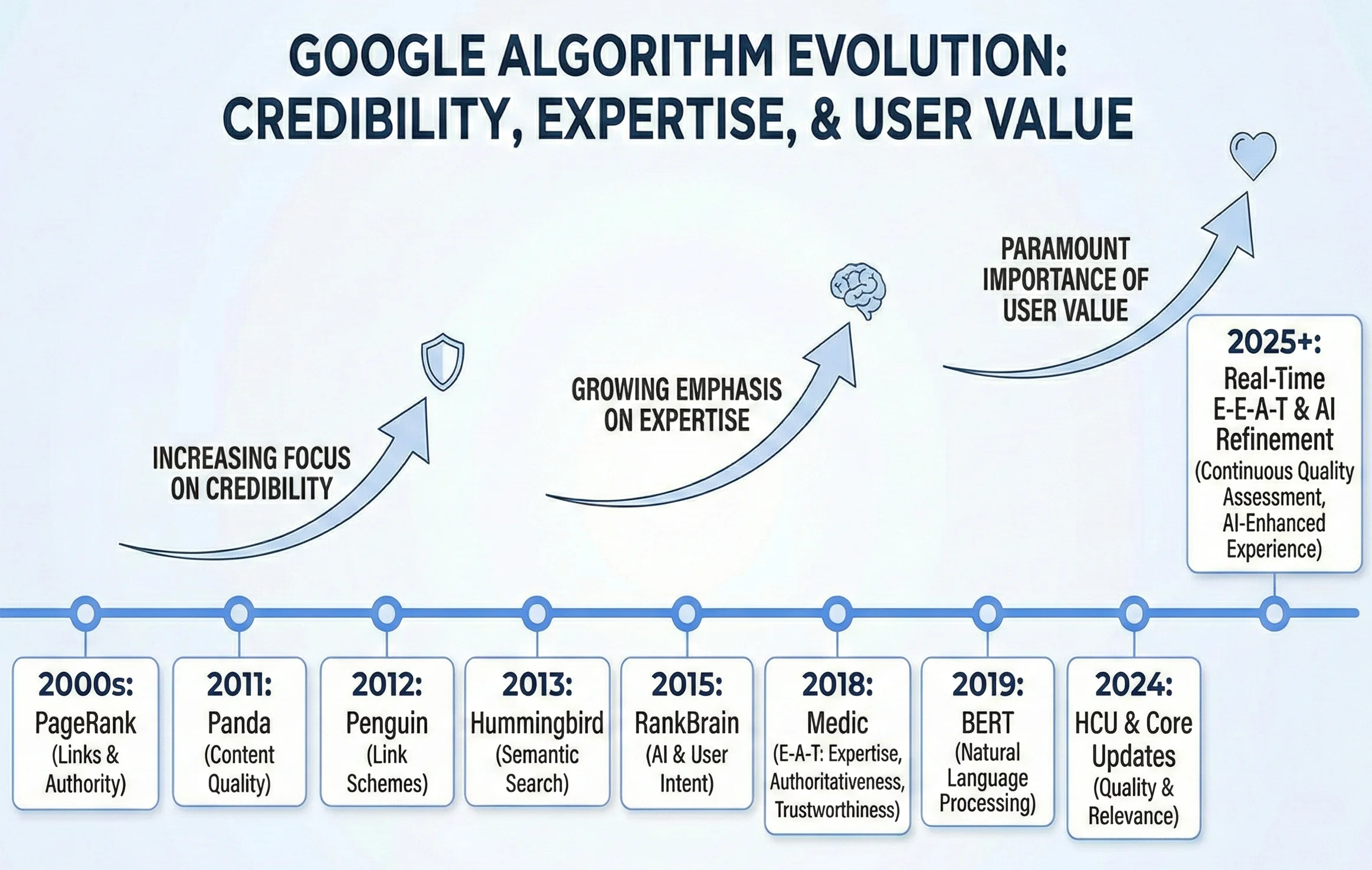
Search engines have evolved beyond keyword stuffing or link farms. Google’s algorithms, especially updates like Penguin and Helpful Content, now focus on:
- Credibility
- Expertise
- User value
That’s where whitehat link building techniques come in. They align perfectly with Google’s mission — connecting users with trustworthy sources.
When you build links the right way, you’re not just chasing numbers — you’re building relationships, authority, and brand recognition.
Many sites still pursue risky shortcut tactics that promise instant rankings but collapse after a single algorithm update — a mistake that ethical SEO professionals deliberately avoid.
The Whitehat “Hell Yes” Test
The 3-Question Litmus Test for Any Whitehat Opportunity
Before you spend one minute on a potential link opportunity, run it through this brutal filter. If it doesn’t pass all three questions, walk away immediately.
1. “If Google knew every detail of this exchange, would I be proud or penalized?”
This is your gut check. If you feel even a twinge of hesitation explaining the tactic to a Google engineer, it’s not whitehat. Ethical link building should withstand any level of scrutiny.
2. “Does this genuinely help the other site’s audience?”
Stop thinking about what you get and start thinking about what you give.Your guest post, your resource, your quote – does it solve a real problem for their readers? Would their audience actually thank the publisher for sharing it? If not, you’re just creating digital clutter.
3. “Would I still do this if the link was nofollow?”
This separates the value seekers from the link beggars.If the answer is “no,” then you’re only in it for the SEO juice, not for the genuine connection or value creation. True whitehat practitioners understand that a nofollow link from the right audience can drive qualified traffic and build brand awareness that’s often more valuable than a dofollow link from an irrelevant site.
Here’s The Deal: If it’s not a “Hell Yes!” on all three counts, it’s a “No.” This simple test will save you from wasted effort and potential penalties while keeping your strategy clean and effective.
What Makes a Link “Whitehat”
A whitehat backlink follows three simple rules:
| Factor | Description | Example |
| Relevance | The link comes from a website related to your topic. | A travel gear store linked from a travel blog. |
| Editorial Choice | The link is earned naturally, not paid or forced. | A journalist includes your resource in a story. |
| Value-Driven | The page offers real help to users. | A guide that solves a genuine problem. |
These links stay safe through every Google update because they are earned, not manipulated.
This is why editorially earned links remain the strongest trust signal in Google’s eyes — they exist because your content genuinely deserves to be referenced.
The Core Philosophy Behind Ethical Link Building
Before diving into techniques, remember this principle:
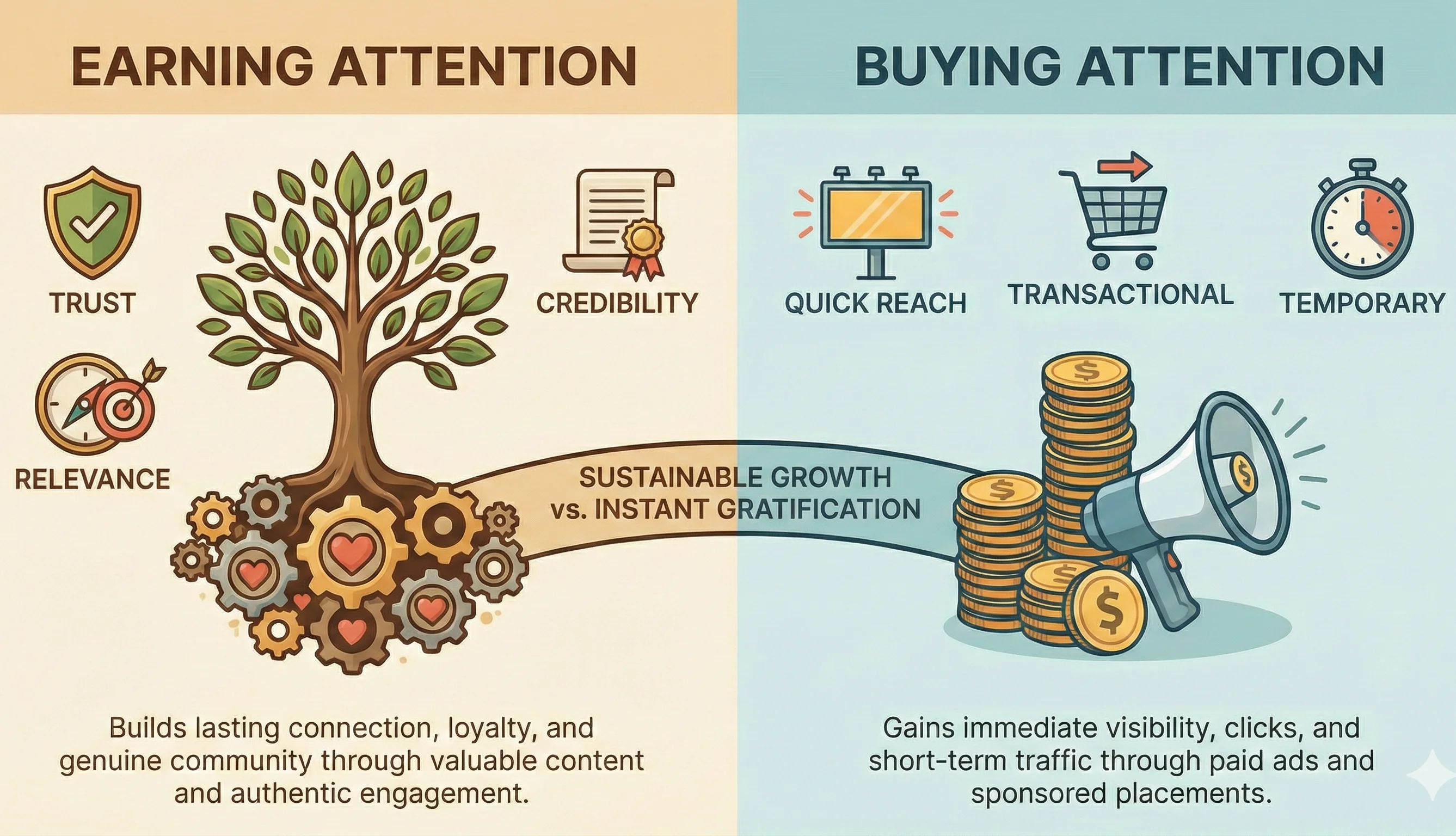
“Whitehat SEO is about earning attention, not buying it.”
It’s built on trust, relevance, and reciprocity. You give the internet something valuable — and it gives you authority in return.
Whitehat link building techniques follow a growth pattern similar to word-of-mouth marketing. Instead of pushing your site everywhere, you create assets so good that people naturally talk about them, link to them, and share them.
1. Guest Posting — The Old Gold Standard (When Done Right)
Guest posting remains one of the oldest yet most effective whitehat link building techniques. The key is quality and context. Avoid generic posts on unrelated blogs. Instead, target platforms where your audience already exists.
Execution Steps:
- Research relevant blogs in your niche with DA 40+.
- Pitch unique, non-commercial article ideas.
- Include one contextual link naturally within the article.
- Promote the post after it’s published to extend its reach.
While guest posting builds long-term authority, understanding guest posts versus niche edits helps you decide when speed or brand exposure should be your priority.
Pro Tip:
Offer the host site something exclusive — data, case studies, or expert opinions. That makes your contribution irresistible.
2. Broken Link Building — Turning Internet Decay Into Opportunity
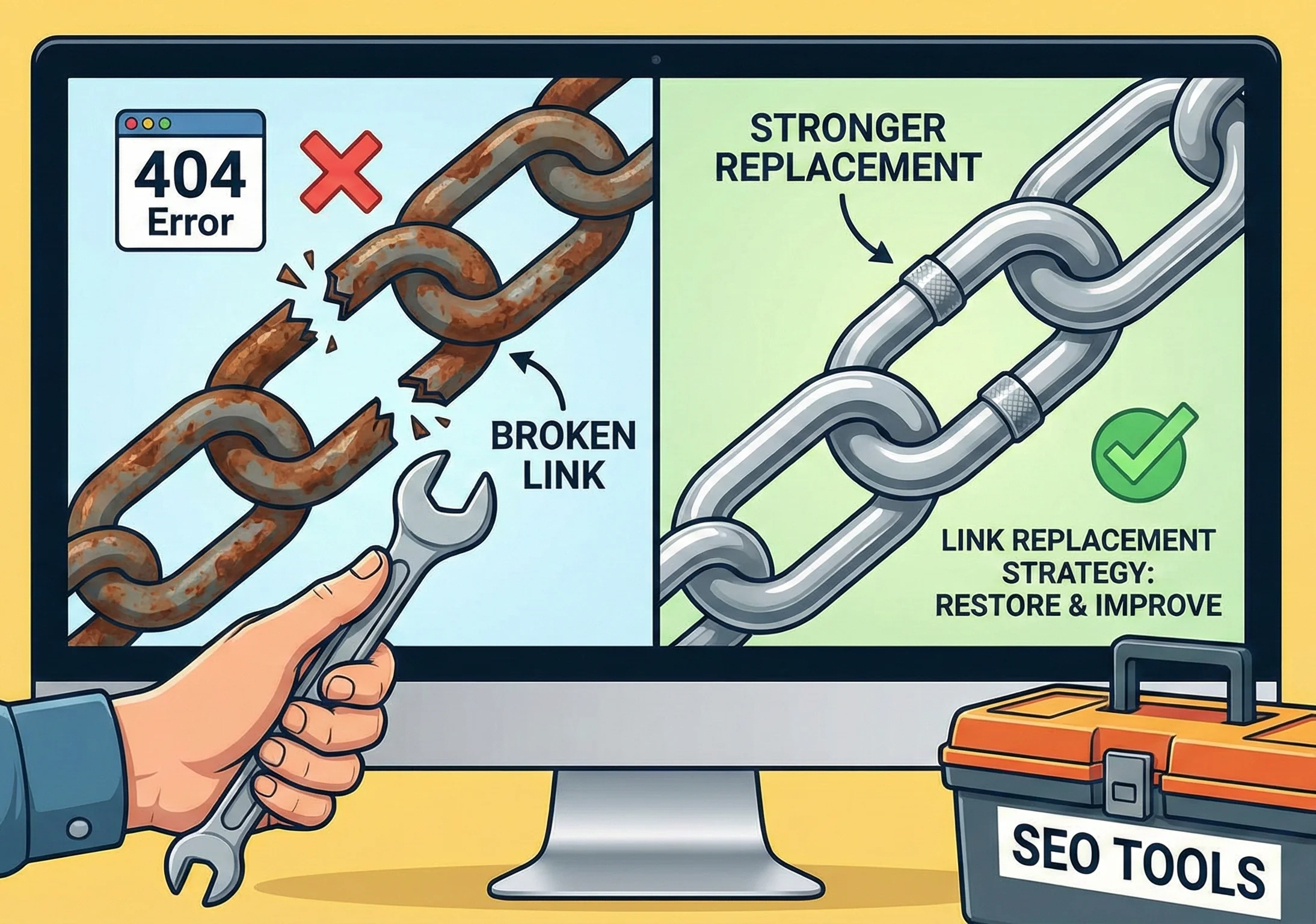
The internet is full of broken pages and dead links. You can use this to your advantage. Broken link building is about finding outdated links and offering a replacement — your resource.
How to Execute:
- Use tools like Ahrefs or Screaming Frog to find broken links on relevant sites.
- Create or repurpose content that matches the dead page.
- Politely email the webmaster suggesting your page as the fix.
It’s a win-win: they improve their site quality, and you earn a natural backlink.
Many outreach campaigns fail because they ignore opportunities like broken links, leading to wasted link building efforts that produce no lasting authority.
3. Digital PR and Brand Mentions
Digital PR is storytelling at scale. Instead of traditional press releases, think of data-driven stories, expert quotes, and unique reports.
Example:
A marketing agency publishes “The Digital Ad Trends Report.” News outlets, bloggers, and podcasters pick it up, earning them hundreds of organic backlinks.
Steps to Implement:
- Create a story-worthy data piece (survey, trends, insights).
- Pitch it to journalists via HARO or PR platforms.
- Follow up and build long-term relationships.
Whitehat link building techniques thrive on credibility, and digital PR is one of the fastest ways to earn it.
Digital PR works best when paired with outreach-driven link growth, where relationships and storytelling turn mentions into authority-building backlinks.
4. Skyscraper Technique — Build Higher Than Anyone Else

Coined by Brian Dean, this approach involves finding popular content in your niche, creating something better, and then reaching out to those who linked to the original piece.
How It Works:
- Identify high-performing pages using Ahrefs or SEMrush.
- Analyze their backlinks and contact those sites with your improved version.
- Highlight what’s new — more recent data, visuals, or depth.
When done sincerely, this method positions you as a thought leader rather than a copycat.
The skyscraper method succeeds only when backed by organic link earning strategies that focus on real value instead of forced placements.
5. Linkable Assets — Content That Attracts Links Naturally
Instead of chasing links, create something that earns them.
Examples of Linkable Assets:
- Free tools or calculators
- In-depth research reports
- Step-by-step visual guides
- Industry stats pages
- Case studies with proven results
For instance, a “SEO ROI Calculator” or “Backlink Audit Checklist” can become evergreen link magnets.
These assets make whitehat link building techniques scalable because they continue earning links long after publication. When combined with outreach-backed content assets, linkable resources can drive both backlinks and qualified leads at the same time.
6. Expert Roundups and Collaborative Posts
People love being featured. By hosting expert roundups, you create collaborative content that naturally earns backlinks from participants and their followers.
Execution Plan:
- Choose a topic your audience cares about.
- Invite 10–20 industry experts to share a short insight.
- Publish their responses in one comprehensive guide.
- Notify participants — most will share or link back.
It’s a relationship-driven tactic that doubles as content marketing.
This approach reflects relationship-first link building, where trust and collaboration replace automation and shortcuts.
7. Resource Page Link Building

Many websites maintain resource pages — curated lists of helpful links. These pages are perfect for acquiring whitehat backlinks because they aim to help users.
Steps:
- Search Google with queries like “keyword + useful resources” or “keyword + inurl:resources”.
- Review each site’s quality and relevance.
- Pitch your content as a valuable addition.
It’s a polite, professional approach that aligns with user intent.
8. Testimonials and Case Studies
Providing testimonials for tools or platforms you genuinely use can earn contextual backlinks. Many brands showcase reviews with a link to your site.
Similarly, publishing your own detailed case studies attracts industry attention. Readers love real-world examples, and other sites reference them as credible proof.
9. HARO and Journalist Outreach
Help A Reporter Out (HARO) connects journalists with expert sources. By consistently replying to queries in your field, you can land mentions in high-authority media outlets.
Quick Tips:
- Respond within an hour of new requests.
- Keep answers concise but value-rich.
- Include your credentials for credibility.
One successful HARO feature can generate backlinks from publications like Forbes or Business Insider — fully whitehat, fully earned.
10. Building Relationships, Not Just Links
SEO often forgets the human element. Real link building happens through trust, community, and ongoing communication.
Recommended Activity
- Network on LinkedIn
- Comment meaningfully on blogs
- Collaborate on projects
- Attend webinars.
The stronger your professional relationships, the easier it becomes to earn backlinks naturally.
Whitehat link building techniques succeed long-term because they turn digital connections into genuine partnerships.
Your Most Powerful Whitehat link building techniques is Internal

While not technically external link building, internal linking distributes authority across your site. It helps search engines understand structure and relevance.
Make sure every new article links to at least two older pieces, and vice versa. Over time, this forms a web of authority that strengthens your entire domain.
The same logic applies externally, where strategic contextual links placed within trusted content amplify authority across your entire site.
The Smart Way to Measure Results
Use these metrics to track performance ethically:
| Metric | What It Measures | Why It Matters |
| Domain Authority | Overall website trust | Higher DA boosts ranking potential |
| Referring Domains | Unique websites linking to you | Diversity signals credibility |
| Link Relevance | Topical closeness of links | Increases contextual strength |
| Traffic Growth | Visitors from earned links | Indicates real engagement |
Whitehat SEO takes time, but these metrics prove that patience pays off.
Your Whitehat Strategy is Failing If You’re Making These 4 Mistakes
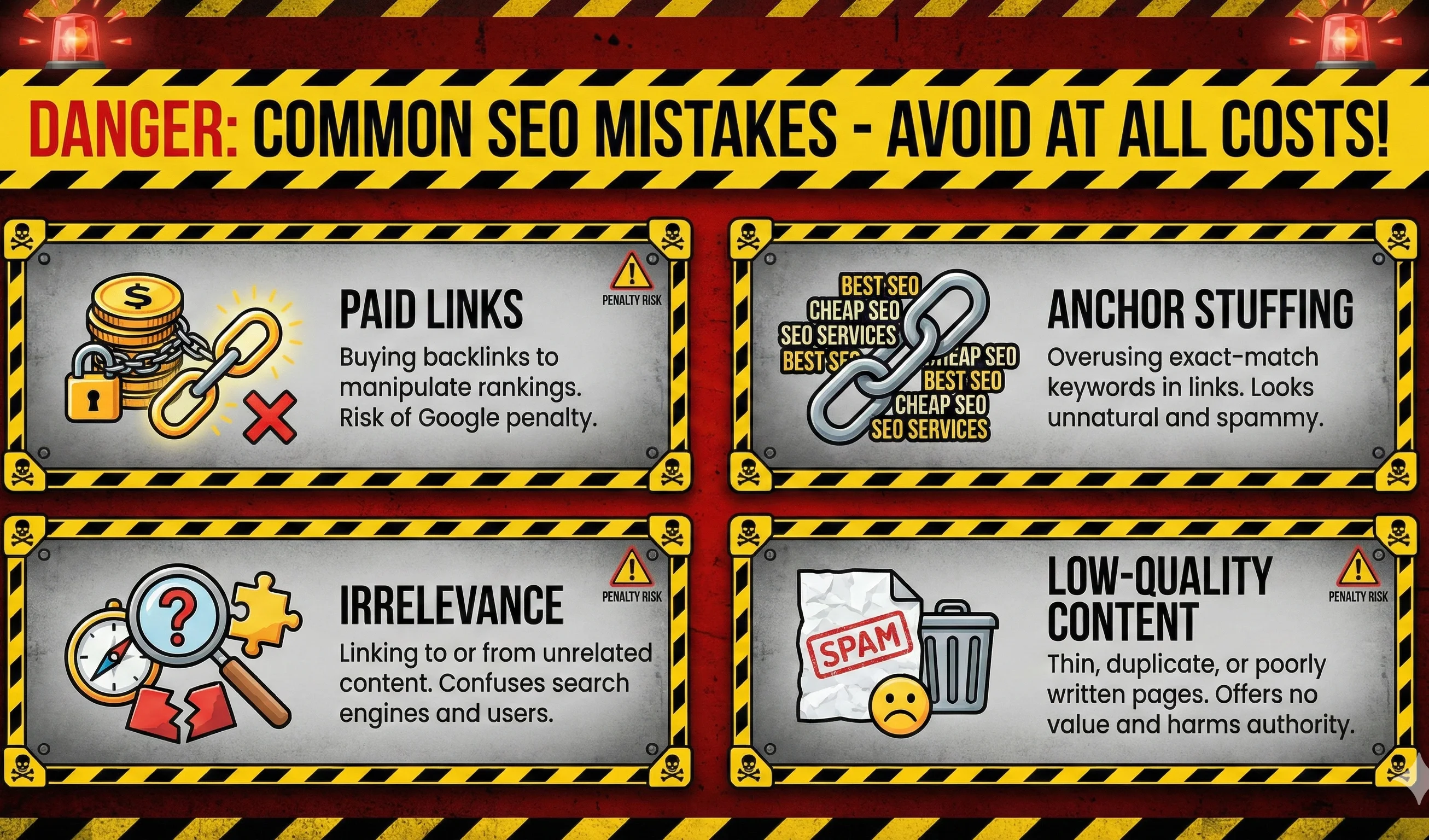
- Buying links — Even one paid link can trigger penalties.
- Over-optimized anchor text — Keep anchors natural and diverse.
- Ignoring link context — A random backlink from an unrelated niche adds no value.
- Neglecting content quality — No one links to thin or duplicate content.
True authority comes from authenticity, not shortcuts.
Real-World Stat to Remember
According to Ahrefs’ industry data, sites with consistent whitehat link growth see 67% higher ranking stability than those using mixed (grayhat) tactics. That means ethical SEO not only boosts ranking — it protects it.
The Emotional Core of Ethical SEO
Whitehat SEO is about respect — for your readers, for the web, and for your brand’s future.
Every link you earn represents someone’s trust in your work. That trust compounds over time, turning visibility into loyalty.
When you focus on whitehat link building techniques, you’re not playing a short-term game. You’re investing in the only kind of SEO that will still matter five years from now — honest, helpful, and human.
Frequently Asked Questions
1. Is whitehat link building just a slow, painful grind?
2. How do you “earn” a link without paying or begging?
3. What stops Google from seeing guest posts as paid links?
4. We made great content – why is nobody linking?
5. Can a slow website kill our link-building efforts?
6. How do we compete with competitors clearly buying links?
7. Is broken link building still worth the effort?
8. What’s the most overlooked whitehat tactic?
Final Thoughts
Forget shortcuts. Whitehat link building techniques are the only sustainable path to top rankings. While others gamble with shady tactics that eventually get penalized, you’re building real authority that Google consistently rewards. As link building evolves, many marketers now ask whether modern niche edit practices truly outperform traditional methods in competitive niches.
This is how you transform your site from just another domain into an industry powerhouse that stands the test of time.
Ready to build real authority? Postpack specializes in creating these lasting foundations. Let’s grow your digital legacy together.