Every successful digital brand or SEO hunter knows that backlinks are more than just links—they are authority signals. But understanding the backlink profile meaning is what separates a good SEO strategy from a scalable one. Your backlink profile isn’t just a random list of referring domains. It’s a data-driven reflection of your website’s credibility, content quality, and market authority.
This Postspack article is designed for you to crack the code. To stop seeing backlinks as a numbers game and start wielding them as your ultimate SEO weapon.
Let’s transform your profile from a passive report card into an active growth engine.
Why Backlink Profile Controls Your Brand’s Reputation
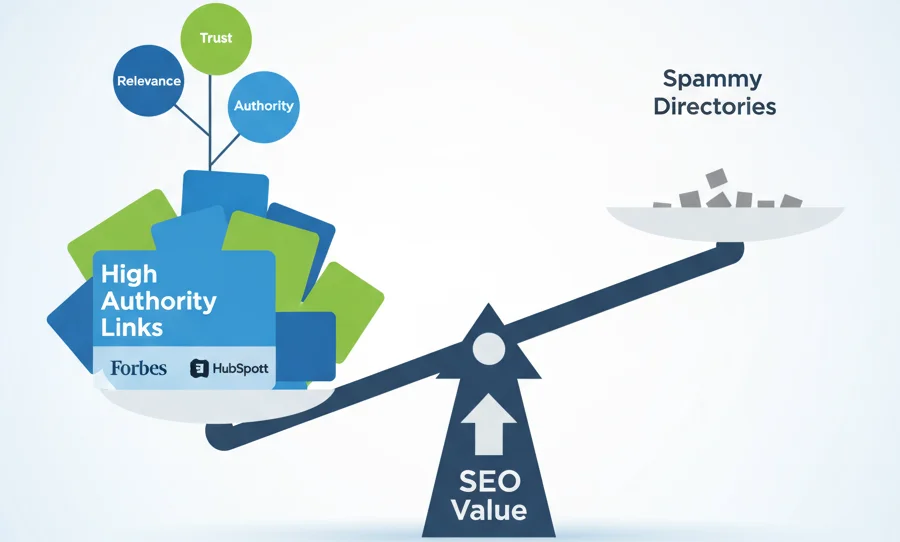
Your backlink profile is your website’s reputation, written in links. Think of each link as a vote of confidence – but a vote from Forbes counts infinitely more than one from a spammy directory.
That’s the real backlink profile meaning: it’s not about how many links you have, but who’s vouching for you. Google treats your backlink profile like a credit score for your brand.
Better links = more trust and authority.
Think about what makes a profile actually powerful:
- Quality over quantity (Would you rather have 1,000 fake followers or 10 industry influencers shouting your name?)
- Natural growth (Real reputations build steadily, not overnight)
- Relevant connections (A link from a pizza blog won’t help your SaaS company)
Your backlinks tell Google and your customers whether you’re the real deal. Make sure they’re telling the right story.
Data doesn’t lie
According to a massive Backlinko study, the website in the #1 spot on Google typically has a backlink profile that’s 3.8x stronger than every other result on the first page.
The Real Importance of a Backlink Profile in 2026
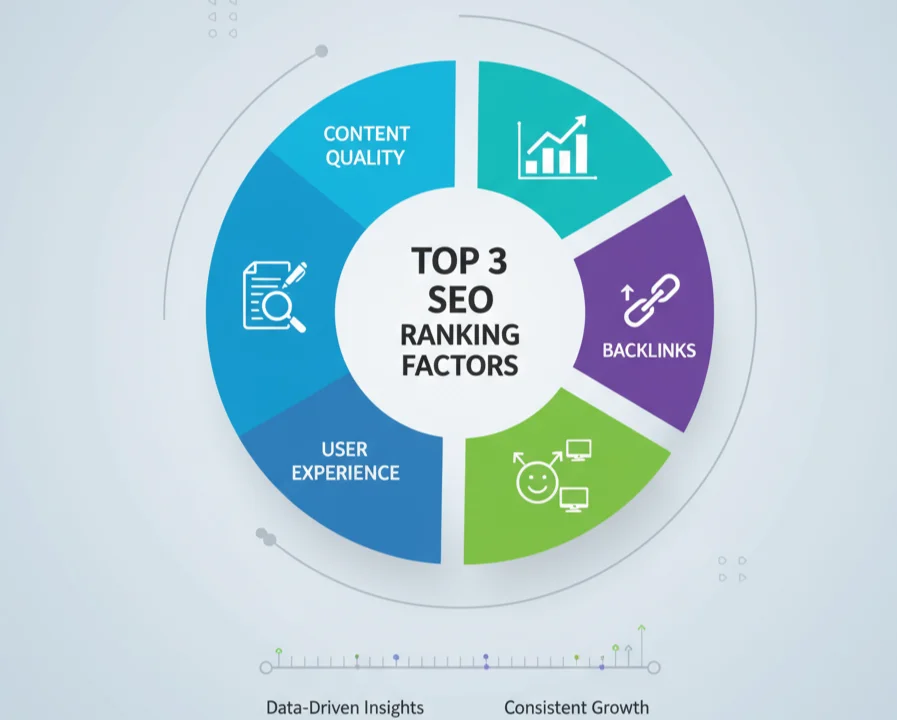
In 2026, backlinks remain one of the top three ranking factors alongside content quality and UX signals. But what gives brands an edge is link intelligence—the ability to evaluate, clean, and strengthen their backlink profile continuously.
A strong backlink profile can:
- Elevate Brand Visibility: High-quality backlinks push your content to top SERP positions.
- Enhance Trust Signals: When industry leaders link to your brand, you borrow their credibility.
- Drive Targeted Traffic: Referral visitors from authority domains convert at higher rates.
- Protect Rankings: Balanced link patterns ensure algorithmic stability during Google updates.
A weak or manipulated backlink profile, on the other hand, signals unnatural practices that may trigger penalties or ranking drops.
To understand how each kind of link contributes to your profile’s strength, explore our detailed guide on the different types of backlinks that power real SEO growth.
Key Components That Shape a Powerful Backlink Profile
Understanding the backlink profile meaning is also knowing the technical and strategic elements that make it work.
1. Link Quality
Quality trumps quantity. A backlink from a high-DR, niche-relevant site holds more SEO weight than hundreds of low-authority links.
2. Anchor Text Distribution
Brands should maintain natural diversity: branded anchors, partial matches, and generic text. Over-optimization often flags manipulation.
3. Link Diversity
A natural backlink profile includes links from blogs, digital PR sites, media outlets, directories, and contextual placements.
4. Link Velocity
Healthy growth matters. A sudden spike in backlinks may appear suspicious to Google’s AI-driven link analysis system.
5. Domain Authority of Linking Sites
Links from DR 60+ domains amplify SEO power. These links transfer trust and strengthen your digital footprint faster than low-value sources.
How Brands Can Analyze Their Backlink Profiles
Brands should treat backlink auditing as an ongoing investment, not a one-time project. Tools like Ahrefs, SEMrush, and Majestic reveal vital metrics such as domain authority, lost links, and toxic signals.
Example Table: Backlink Profile Metrics for SEO Teams
| Metric | Description | Ideal Benchmark |
| Referring Domains | Unique sites linking to your website | 500+ active domains |
| Domain Rating (DR) | Link authority strength | 60+ for mid to large brands |
| Anchor Text Ratio | Mix of branded, generic, and keyword anchors | 50% branded / 30% generic / 20% partial match |
| Toxic Link Score | Risk from spammy backlinks | Below 3% |
| Monthly Link Growth | Steady link acquisition rate | 5–10% per month |
Consistent analysis helps maintain a balance between link authority, diversity, and sustainability—ensuring your backlink profile continues supporting long-term growth.
The Role of AI in Backlink Profile Optimization

Artificial Intelligence now plays a transformative role in backlink strategy. AI-powered tools can analyze millions of data points in seconds, revealing hidden insights traditional audits miss.
AI helps brands:
- Detecting toxic backlinks early using pattern recognition.
- Predict link value by analyzing contextual relevance and content sentiment.
- Automate backlink disavowal based on real-time toxicity data.
- Identify high-value link-building opportunities through NLP-driven analysis.
Platforms like Ahrefs Copilot and SEMrush Link Intelligence Suite use AI to predict link decay probability, assess link freshness, and recommend strategic outreach targets. For SEO hunters, AI eliminates guesswork and amplifies precision.
Common Mistakes That Tank Your Search Rankings
Want to know why your SEO efforts might be failing? Look at your backlink profile. Even big brands mess this up, and it costs them dearly.
Here are the mistakes killing your rankings:
- You’re counting links instead of weighing them. Would you rather have 10 recommendations from industry leaders or 1,000 from random people? Google feels the same way.
- You’re ignoring the toxic links. Those spammy directory links and questionable blog comments? They’re like bad references on your resume – they make everyone question your credibility.
- Your anchor text looks suspicious. If every link says “best SEO tool,” Google’s algorithm gets suspicious. Real, organic links use natural language.
- You fell for the PBN trap. Those “cheap but guaranteed” links from private blog networks? Google treats them like buying fake IDs – they might work temporarily, but you will get caught.
- You forgot to connect your own content. Internal links are the hallways between your website’s rooms. Without them, visitors (and Google) get lost.
The scary part? These errors don’t create dramatic crashes – they cause slow, painful declines that are hard to diagnose.
How to Build a Backlink Profile That Actually Works
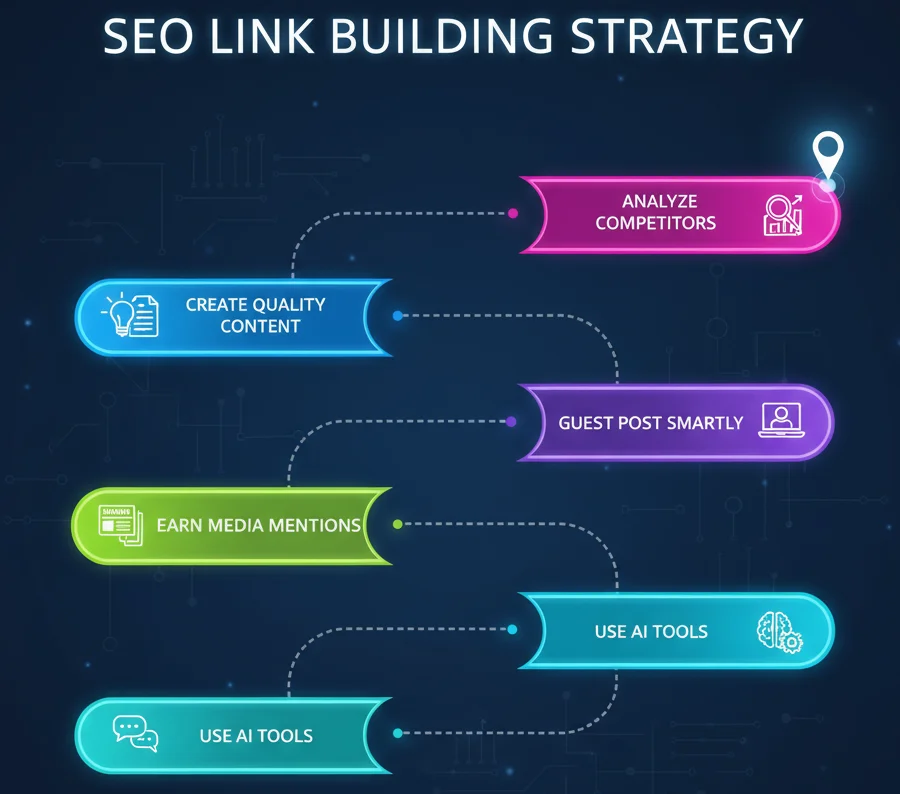
Ready to fix this? Here’s how to build links that don’t just look good – they actually drive results:
- Create content people can’t ignore. Publish original research or data that becomes the go-to source in your industry. When your data gets cited, the links follow naturally.
- Build real relationships with journalists. Don’t just blast press releases. Help reporters when they’re on tight deadlines, and they’ll remember you when writing stories.
- Write guest posts that provide real value. Focus on helping the publication’s audience rather than just squeezing in your links. Quality over quantity always wins.
- Use AI to find hidden opportunities. Let tools scan for websites already covering your topics – these are your warmest leads for new links.
- Learn from what’s working for competitors. See which pages earn them great links, then create something even better. There’s no shame in improving on a good idea.
Understanding Backlink Profile Meaning in SEO Strategy
Grasping the backlink profile in the modern SEO landscape means acknowledging backlinks that are no longer just “votes.” They’re trust signals, behavior patterns, and brand mentions combined.
A clean backlink profile indicates brand trust. A diverse one shows natural reach. A powerful one amplifies your entire marketing ecosystem—from organic traffic to content visibility and reputation authority.
People Also Ask (FAQ)
1. Why should I even care about my backlink profile?
2. Can bad backlinks actually hurt me?
3. I’ve got tons of links but still don’t rank. What gives?
4. How often should I check this thing?
5. What’s the biggest rookie mistake?
6. Do social media links help?
7. I’m a new site – where do I start?
8. Can I clean up a messy profile myself?
Wrapping It Up
Understanding the true backlink profile meaning is your ultimate unlock in SEO. It’s the difference between just having links and wielding genuine digital influence. This isn’t about collecting random votes; it’s about building a curated reputation that makes both Google and your audience trust you instantly. The future of ranking belongs to those who build smarter, not just more.
Ready to transform your backlink profile from a passive report into your most powerful asset? This is exactly what we help you to build with Postspack services. If you have any questions on where to start, don’t hesitate to ask us.