Getting backlinks from .gov websites is one of the fastest ways to boost your site’s credibility and trust. It’s like earning an official stamp of approval that both Google and users value. But since government sites rarely link to external pages, you need a smart and ethical plan to win those links.
If you’ve ever wondered how to get backlinks from gov sites, here is the Postspack guide that is designed to help you step by step with practical strategies, outreach ideas, and proven methods to get .gov backlinks the right way.
Why Gov Backlinks Matter More Than Others
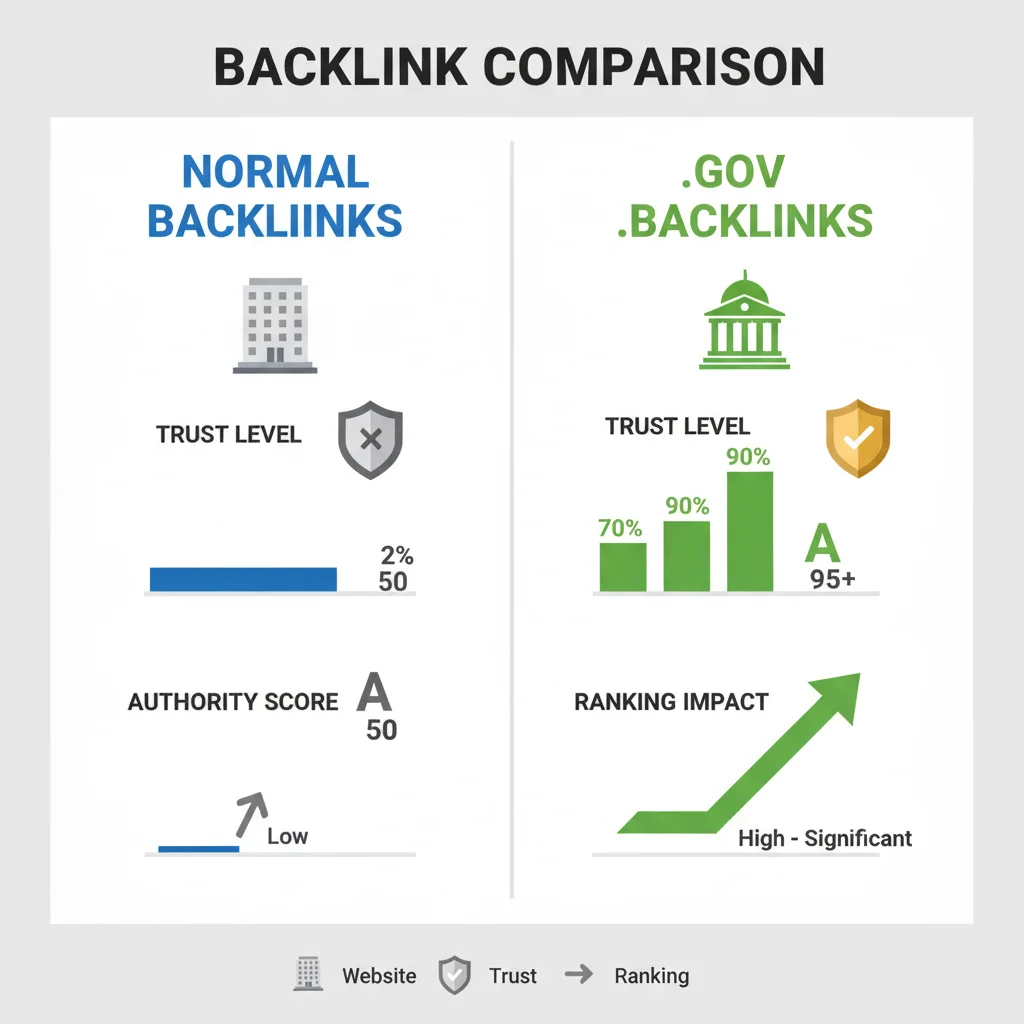
All SEO experts agree that not all backlinks are created equal. According to Ahrefs, websites with high-authority links (like .gov or .edu domains) rank 67% faster on Google than those relying only on private blogs or directories.
The reason? Government domains have strict editorial standards, meaning a link from them signals trust and authenticity.
Moreover, backlinks from .gov websites can:
- Boost your domain authority (DA) and page rank.
- Improve your search visibility for competitive keywords.
- Strengthen your brand credibility across the web.
Understanding How to Get Backlinks from Gov Sites
Before you begin outreach, it’s important to know how to get backlinks from gov sites without violating ethical guidelines or Google’s link policies. Learning how to build safe and relevant backlinks ensures your strategy aligns with Google’s rules.
Here’s how:
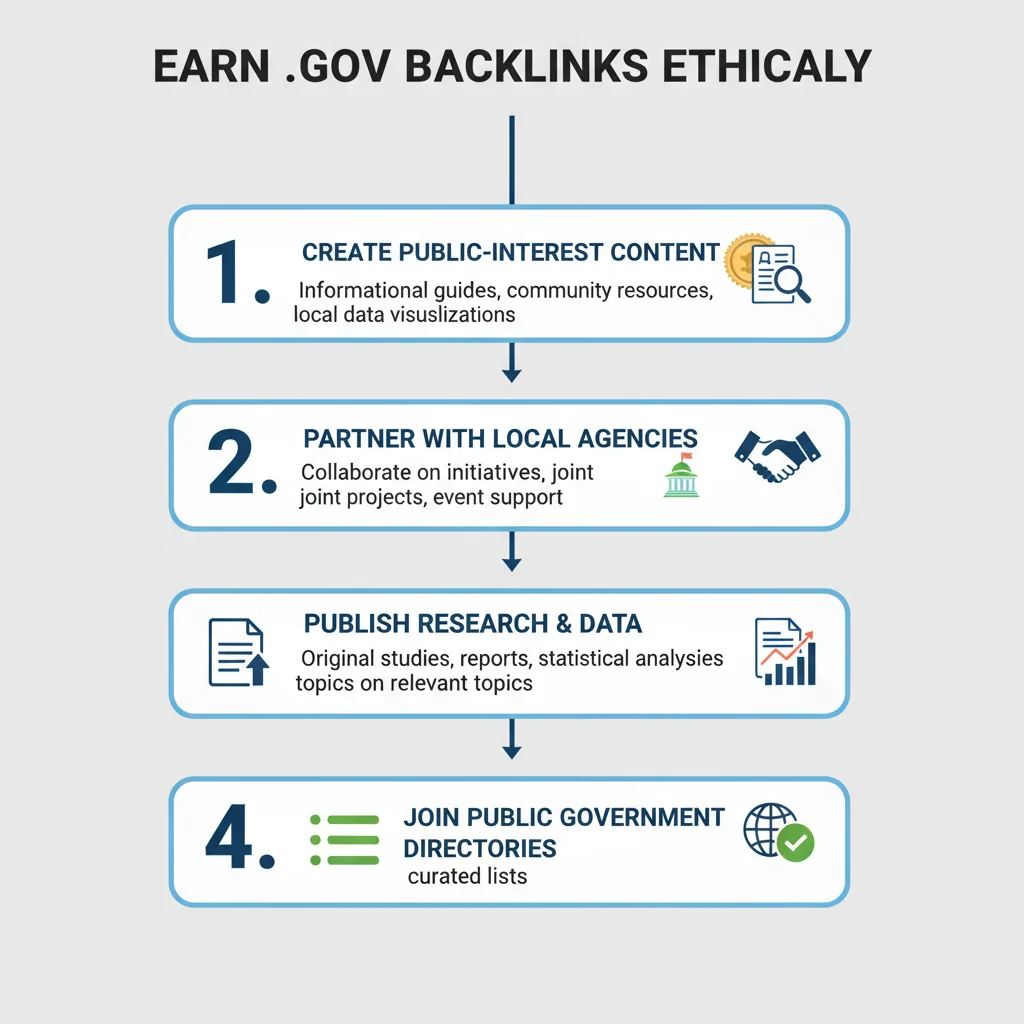
- Create Authoritative Content for a Public Audience
Government sites often link to trusted resources that educate the public.
Example: Publish content around safety laws, education reforms, or community guides that government portals may reference. - Leverage Local Government Partnerships
If your business serves a local area, reach out to your city or municipal website. Offer community services, local event sponsorships, or public collaborations that earn you a link in their “Partners” or “Community Programs” pages. - Offer Expert Research or Case Studies
Government agencies often reference credible data. If you publish verified research, surveys, or public-interest reports, your content could be cited in their resource libraries. - Apply for Public Contracts or Grants
Businesses listed under public contract directories on government sites automatically get do-follow backlinks.
→ Example: Federal contractor listings, supplier directories, or open data pages.
Smart Ways to Earn .Gov Backlinks Naturally
Building backlinks from government websites is not about luck — it’s about strategy. Let’s explore some proven, white-hat methods to secure them.
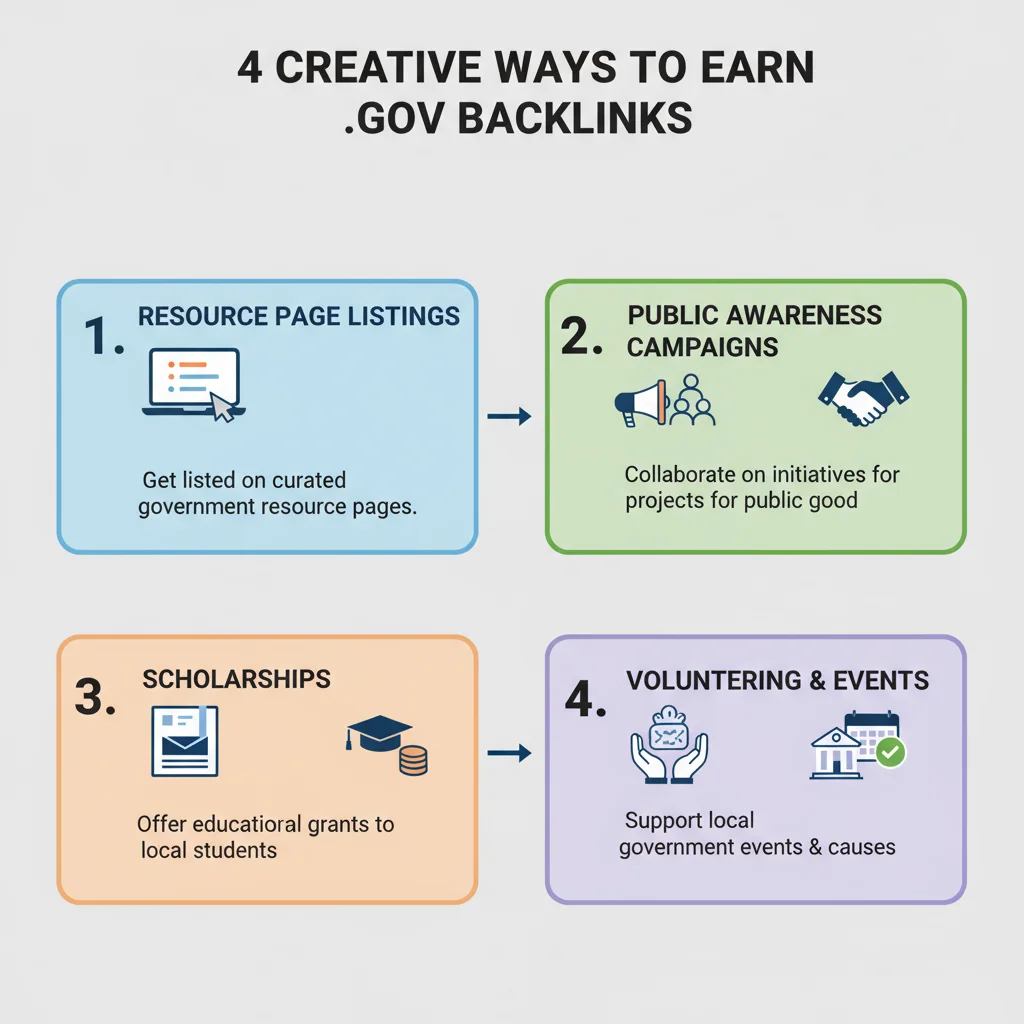
1. Get Listed in Government Resource Pages
Many local or state websites have resource directories for citizens — like business support, education, or health.
If your website offers something valuable (guides, tools, or services), contact their web admin to suggest inclusion.
Example:
A mental health blog can request to be added to a state wellness resource page.
2. Collaborate on Public Awareness Campaigns
Government agencies frequently collaborate with businesses and NGOs on awareness drives — such as climate change, road safety, or digital literacy.
Offer to create educational infographics or joint reports and ask for credit with a backlink.
3. Use Scholarships and Education Programs
If your business or organization runs a scholarship, it can be listed on education department or student aid websites — which are usually .gov domains.
Example:
Many government education boards maintain public databases of available scholarships and grants, linking directly to providers.
4. Volunteer or Support Local Government Events
You can earn backlinks by sponsoring or volunteering in public events such as:
- Environmental clean-ups
- Local business fairs
- Public health initiatives
After participation, most event pages link to their partners or sponsors.
Common Mistakes When Trying to Get Gov Backlinks
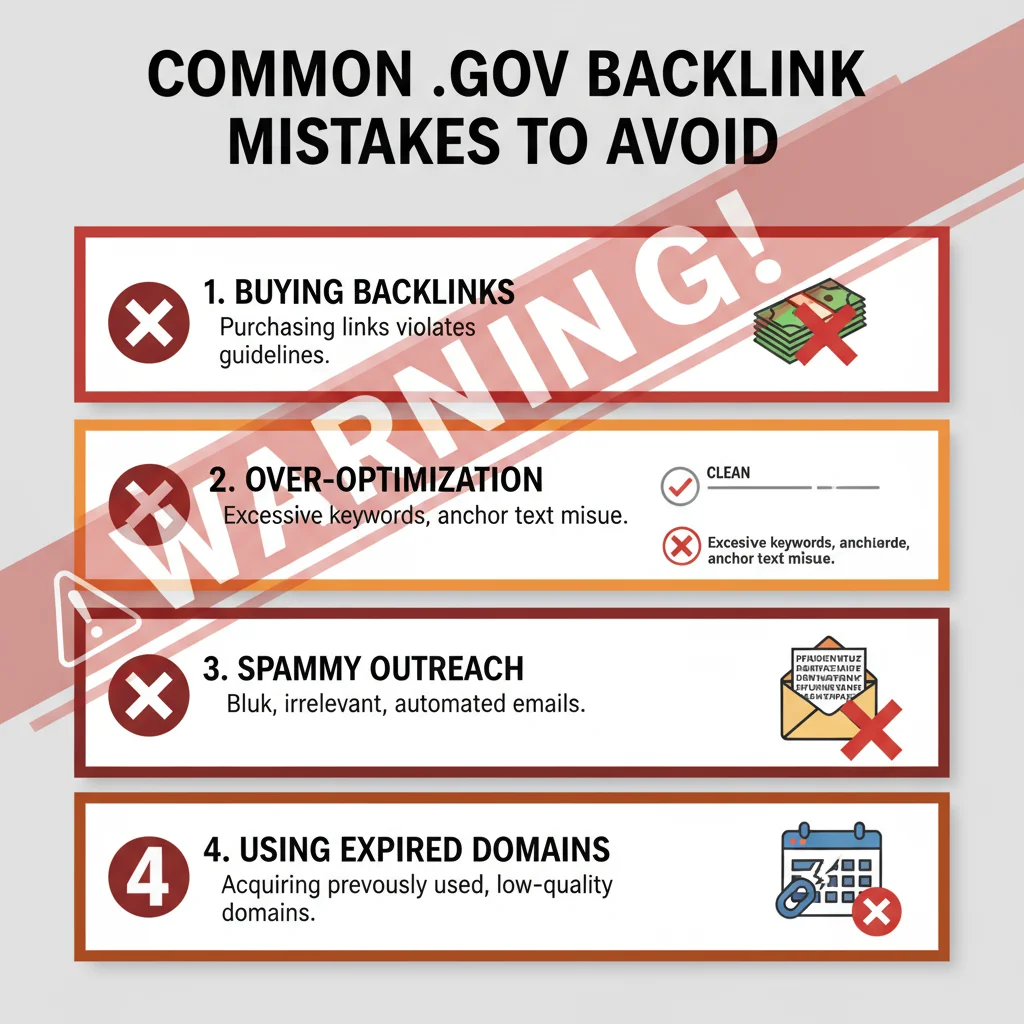
While chasing authority links, many fall into traps that can harm SEO instead of helping it. Avoid these pitfalls:
- Buying “.gov backlinks” from shady sellers — Google can detect them.
- Over-optimizing anchor text with exact keywords.
- Using expired .gov domains for manipulative redirects.
- Ignoring outreach etiquette — government webmasters prefer formal, respectful communication.
Instead, focus on earning backlinks naturally by aligning your brand with public interests.
Outreach Tips to Get Your First .Gov Backlink
Outreach is where strategy meets opportunity. Here’s how to do it right:
Find Relevant Government Pages
Use Google’s search operators:
site:.gov “resources” + [your niche]
site:.gov “links” + “submit a site”
- These searches help you locate pages that already list external links.
- Send a Personalized Outreach Email
Write respectfully and clearly:
- Introduce who you are and your expertise.
- Explain how your resource benefits citizens or supports their goals.
- Provide a clean link to your resource.
- Follow Up Once
Government web admins are busy, so a single polite follow-up after a week can make a big difference.
The Long-Term Value of .Gov Backlinks
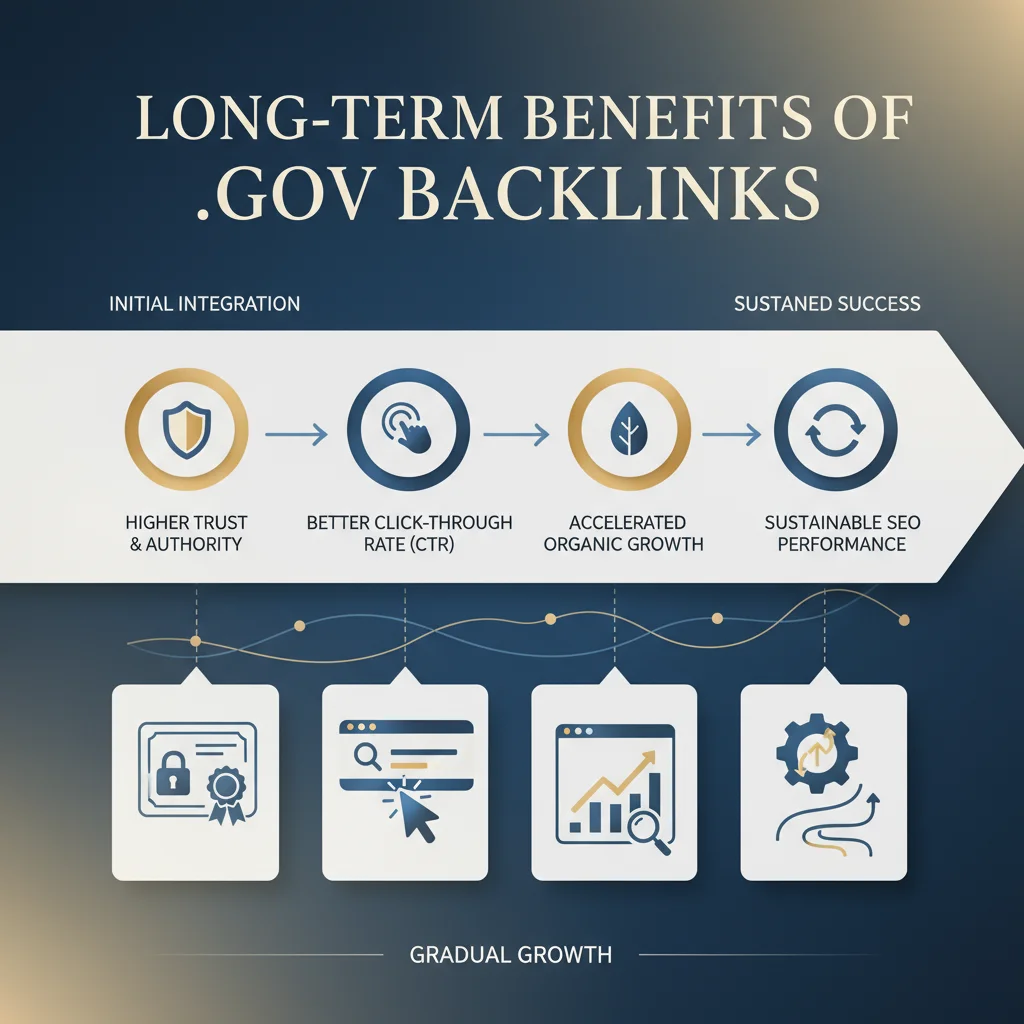
Backlinks from government websites don’t just improve rankings — they elevate your entire online reputation. They show Google and users that your brand contributes meaningfully to public discourse.
Over time, this credibility leads to:
- Higher click-through rates (CTR).
- Better organic link attraction.
- Sustainable SEO performance.
Frequently Asked Questions
Q1. Can I really get .gov backlinks if I’m not a government site?
Q2. Why are .gov backlinks so tough to earn?
Q3. How long does it usually take to get one?
Q4. Do I ever need to pay for a .gov backlink?
Q5. What kind of content catches their attention?
Q6. Can small local businesses get them too?
Q7. What’s the biggest mistake people make?
Q8. How many .gov backlinks are enough?
Summing Up
If you truly want to master how to get backlinks from gov sites, remember this: focus on authentic contribution. Government websites reward value, not manipulation. Publish helpful, verifiable, and ethical resources that make their audience’s life easier.
In the end, earning one solid .gov backlink can be more powerful than hundreds of low-quality ones.
For faster growth, explore Postspack’s link-building services — designed to help you secure authoritative backlinks safely and strategically.