Building a strong and impactful backlink profile is the actual foundation of long-term SEO success. But not all links are created equal, and actually, some can do more harm than good in many cases. The secret lies in earning safe relevant backlinks that Google recognizes as trustworthy, natural, and authoritative.
In this guide, you’ll learn what makes a backlink “safe and relevant,” how to find and build them the right way, and how AI-driven platforms can make this process smarter than ever.
Why Safe & Relevant Backlinks Matter More Than Ever
After Google’s algorithm updates (like Penguin and Helpful Content), the SEO world changed completely. Google no longer rewards bulk link building. It rewards context and credibility.
A safe relevant backlink tells Google your site is trusted by others in your niche. When high-authority sites mention or cite your content, it acts as a signal of reliability.
Here’s the difference:
| Type of Backlink | Description | Impact on SEO |
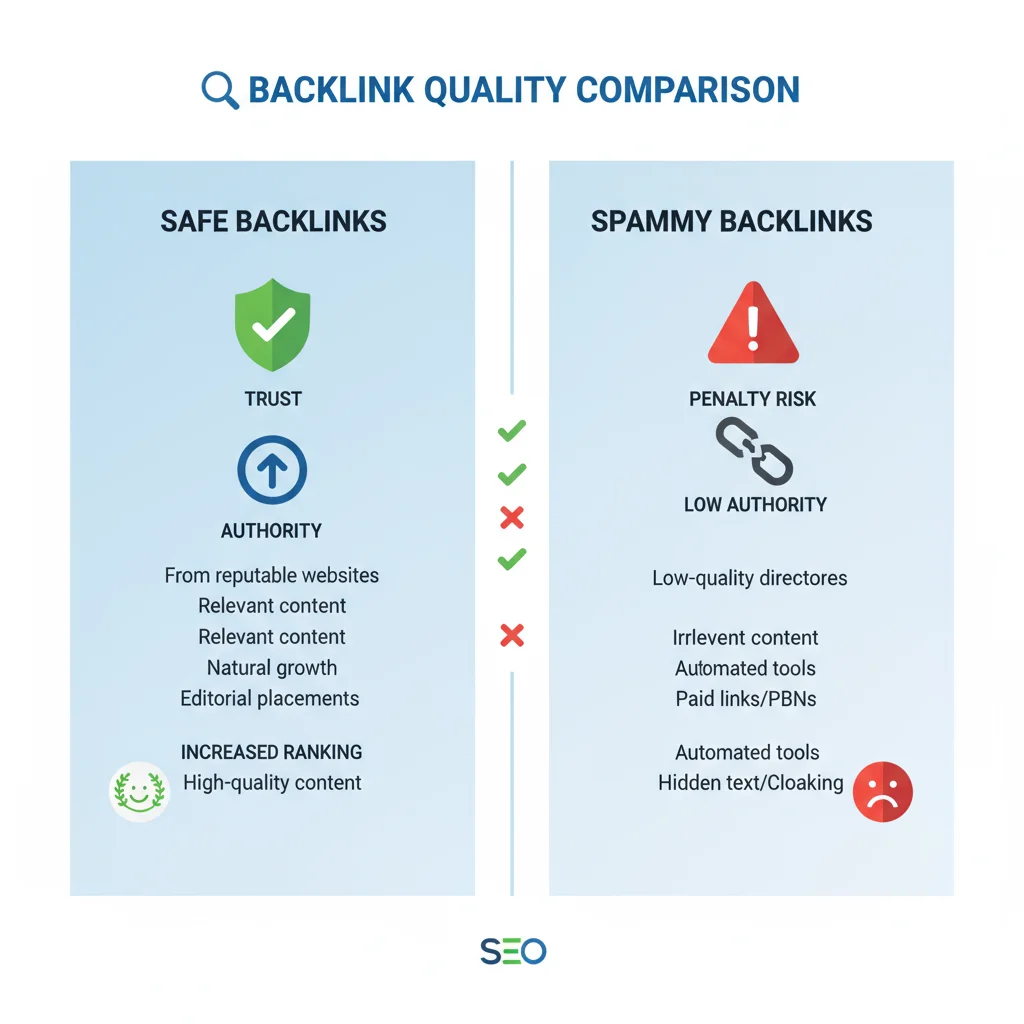
| Safe & Relevant | From credible, niche-related websites with genuine context | Boosts ranking and trust |
| Irrelevant or Spammy | From unrelated, low-quality directories or PBNs | Risk of penalties |
| Paid or Manipulative | Bought or exchanged links | Violates Google’s guidelines |
The goal is simple — create a backlink profile that looks natural, valuable and earned through expertise.
After Google’s algorithm updates (like Penguin and Helpful Content), the SEO world changed completely. Google no longer rewards bulk link building. It rewards context and credibility — as highlighted in Search Engine Journal’s 2025 link spam update, which confirmed that only contextually relevant backlinks now pass ranking value.
What Makes a Backlink “Safe & Relevant”?
It’s very important for you to understand what separates a good link from a risky one before you start building links. Google uses several trust indicators to assess actual backlink quality.
Here’s a checklist specially designed for you to evaluate if your link is truly safe and relevant:
- Relevance: The linking site should always belong to the same niche or a closely related topic.
- Authority: Always check your domain authority (DA) and trust flow using tools like Ahrefs, Moz, or Majestic.
- Placement: The link should appear naturally within body content — not in footers, comments, or sidebars.
- Anchor Text: Use natural-sounding phrases rather than keyword stuffing.
- Traffic: A healthy site with consistent organic traffic signals credibility.
- Index Status: Ensure the site is indexed and not penalized.
A link that fails these checks might look tempting, but it can easily damage your rankings.
AI vs Manual Link Building: Which Delivers Better Results in
SEO experts no longer ask whether AI can build links — they ask how to use it wisely. AI has changed how we find, analyze, and secure backlinks, but the human touch still matters more than ever.
AI helps you:
- Scan thousands of websites and filter only high-trust domains.
- Detect toxic backlinks before they hurt rankings.
- Maintain healthy anchor text ratios.
- Analyze competitor backlinks instantly.
Manual link building adds:
- Real human relationships with editors and site owners.
- Authentic collaborations that feel natural to readers.
- Content placements that build authority and trust.
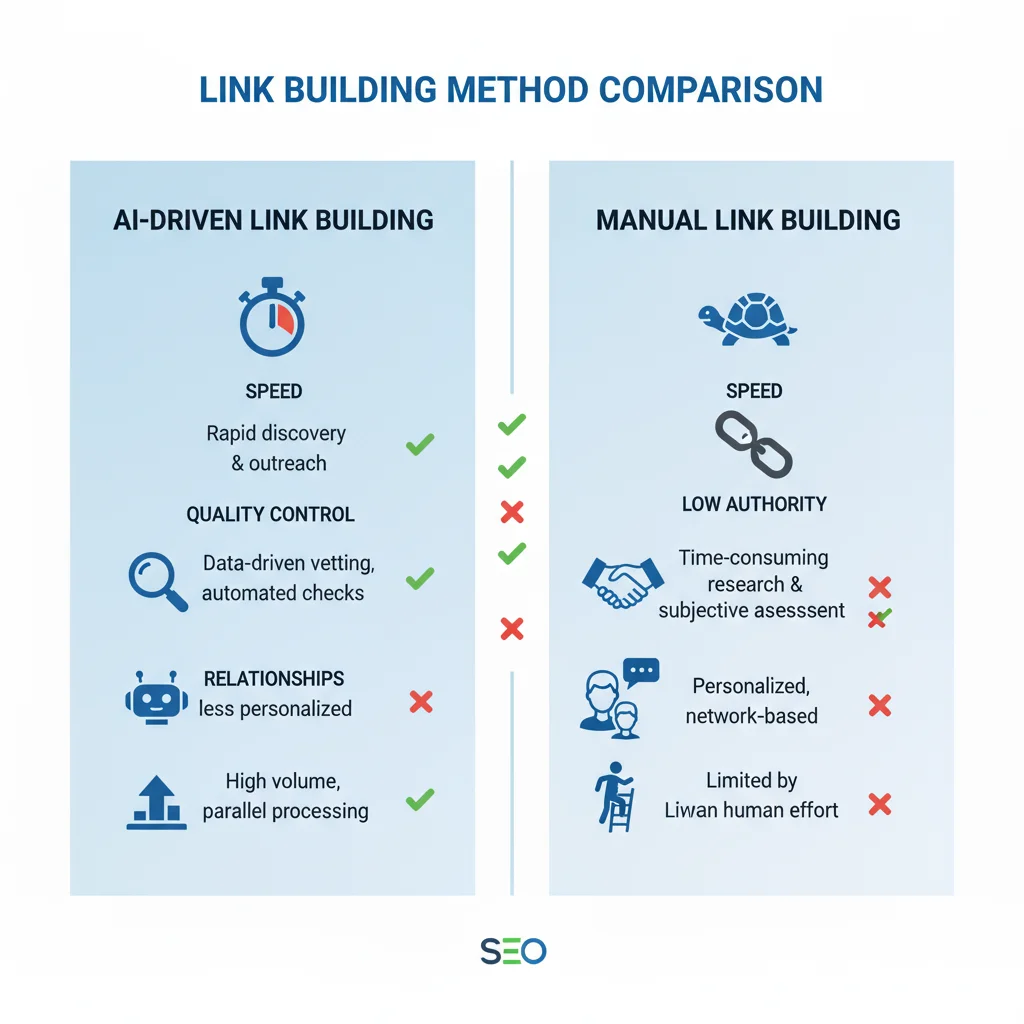
| Factor | AI-Driven | Manual |
| Speed | Finds safe opportunities fast | Slower but personal |
| Quality Control | Data-based safety filters | Creative, judgment-based |
| Relationship Value | Limited | Strong, lasting |
| Scalability | High | Moderate |
| Best Use | Research & vetting | Outreach & storytelling |
Pro Insight:
The best strategy mixes both — AI for analysis, humans for connection. It keeps your backlink profile smart, scalable, and human at the same time.
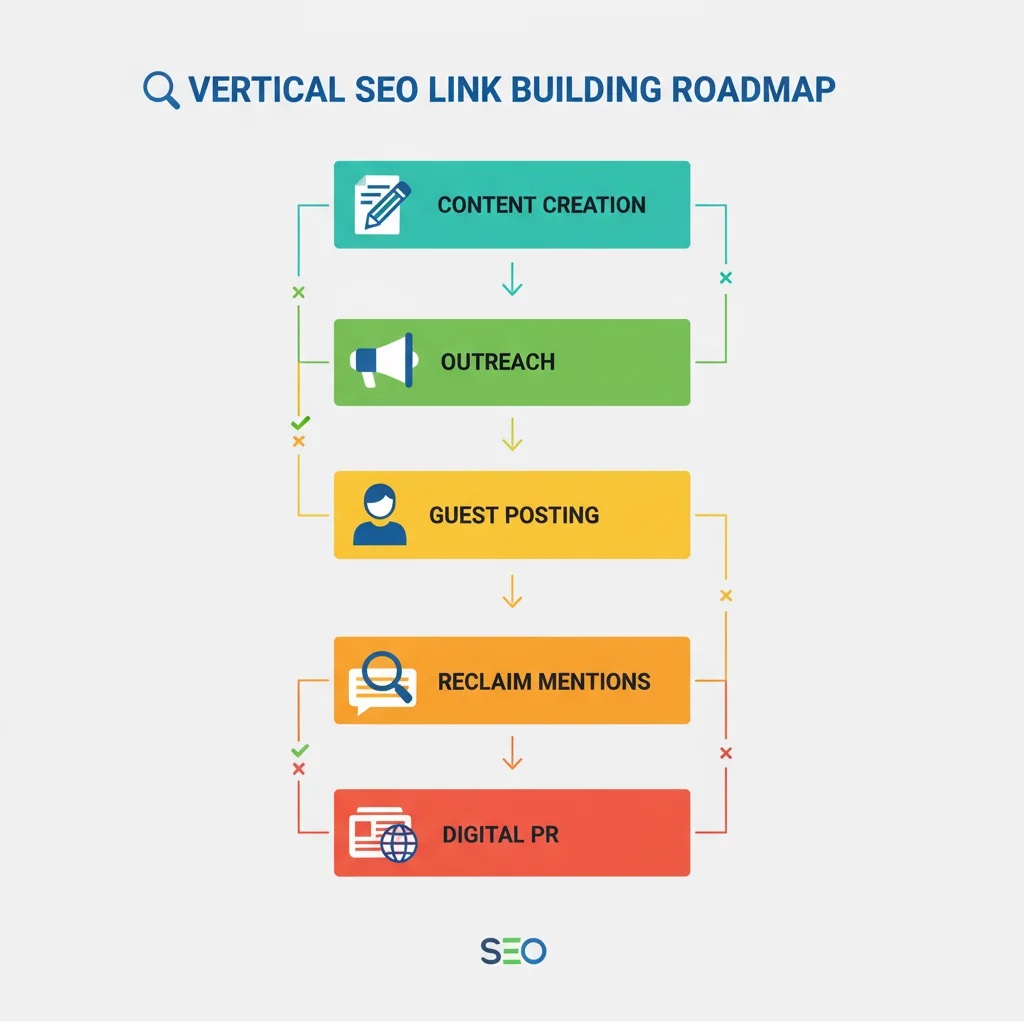
The 5-Step Strategy to Earn Safe Relevant Backlinks
Building powerful backlinks isn’t about shortcuts — it’s about building trust over time. Here’s a proven playbook that leading SEO experts follow.
1. Create Link-Worthy Content That Deserves Attention
If there’s one thing that actually makes people link to you, it’s content that gives them something they can’t ignore. When what you publish feels useful, honest, or fresh, you don’t need to chase backlinks — they start showing up on their own.
Think of it this way. Nobody links to another list of “10 SEO tips.” But they do link to content that brings new data, a story, or a visual they can’t make themselves.
Here’s what usually works best:
- Share something original. Maybe it’s your own research, a test you ran, or even a mistake that taught you something.
- Add visuals that explain fast. Infographics, tables, or a small chart often get picked up more than long text blocks.
- Use real numbers. Stats from reliable sources make your content feel solid and trustworthy.
- Keep it alive. Old posts fade fast. Update them, refresh examples, and make sure they still sound current.
Let’s say you publish a small study on how AI tools are changing link-building trends. That’s the kind of piece other marketers love to reference — not because you promoted it hard, but because it adds weight to their own arguments. That’s how link-worthy content quietly earns its place online.
2. Outreach Strategically — But Focus on Relationship Building
Cold outreach still works, but relationship-driven outreach works better.
Instead of mass emailing hundreds of websites, focus on building rapport with niche-specific authors and editors. Comment on their content, share it, and then pitch your own.
Tip: Always personalize your pitch. Mention what you liked about their recent post and explain how your content can complement it.
A personalized outreach email with clear value has a 38% higher response rate, according to research.
3. Leverage Guest Posting on Trusted Industry Blogs
Guest posting is still one of the safest and most effective ways to build links — when done right.
Follow these golden rules:
- Choose relevant websites with engaged audiences.
- Write educational, non-promotional articles that fit the blog’s style.
- Add one contextual backlink in the body — never overload with links.
- Include a short author bio showcasing your expertise.
Guest posts done strategically help you gain not just backlinks but also brand visibility and referral traffic.
4. Reclaim Lost or Unlinked Mentions
Many websites already mention your brand, but forget to link back. This is one of the easiest ways to gain saf,e relevant backlinks without new content creation.
Steps to reclaim them:
- Use Google Alerts or Mention.com to track mentions.
- Search for your brand or site name on Google using “your brand name” -site:yourdomain.com.
- If a site mentions you without linking, reach out politely and ask for a link addition.
This quick win often adds 5–10 new links per month from already-interested sources.
5. Use Digital PR & Collaborations
Digital PR is where backlinks meet brand storytelling.
Pitch journalists or influencers with unique insights, original studies, or breaking trends in your niche. When news outlets cite you, you’ll gain extremely valuable, safe, relevant backlinks from authoritative media domains.
Another powerful yet ethical route is earning links from trusted public domains — here’s how to get backlinks from .gov websites and boost your authority fast.
Additionally, collaborate with niche partners on webinars, podcasts or interviews — each one naturally generates contextually relevant backlinks.
How AI-Driven Platforms Help Build Safer, Smarter Backlinks
Modern link-building is evolving with AI — and for good reason. AI-driven tools analyze patterns that human SEOs might overlook.
Here’s how AI supports backlink safety and efficiency:
- Smart Link Prospecting: AI tools (like Postspack’s proprietary engine) filter sites by domain trust, relevance, and spam score automatically.
When assessing websites for link opportunities, always make sure they’re trustworthy — not all paid or sponsored platforms are safe. Here’s how to spot risky sponsored websites before clicking or linking to them.
- Anchor Text Optimization: AI analyzes anchor text diversity to maintain a natural backlink profile.
- Toxic Link Detection: Machine learning identifies suspicious patterns faster than manual audits.
- Competitor Insights: AI compares backlink gaps with top-ranking sites and suggests safe opportunities.
By using AI, brands save hours of manual vetting and avoid risky link placements that might trigger penalties.
Common Backlink Risks to Avoid
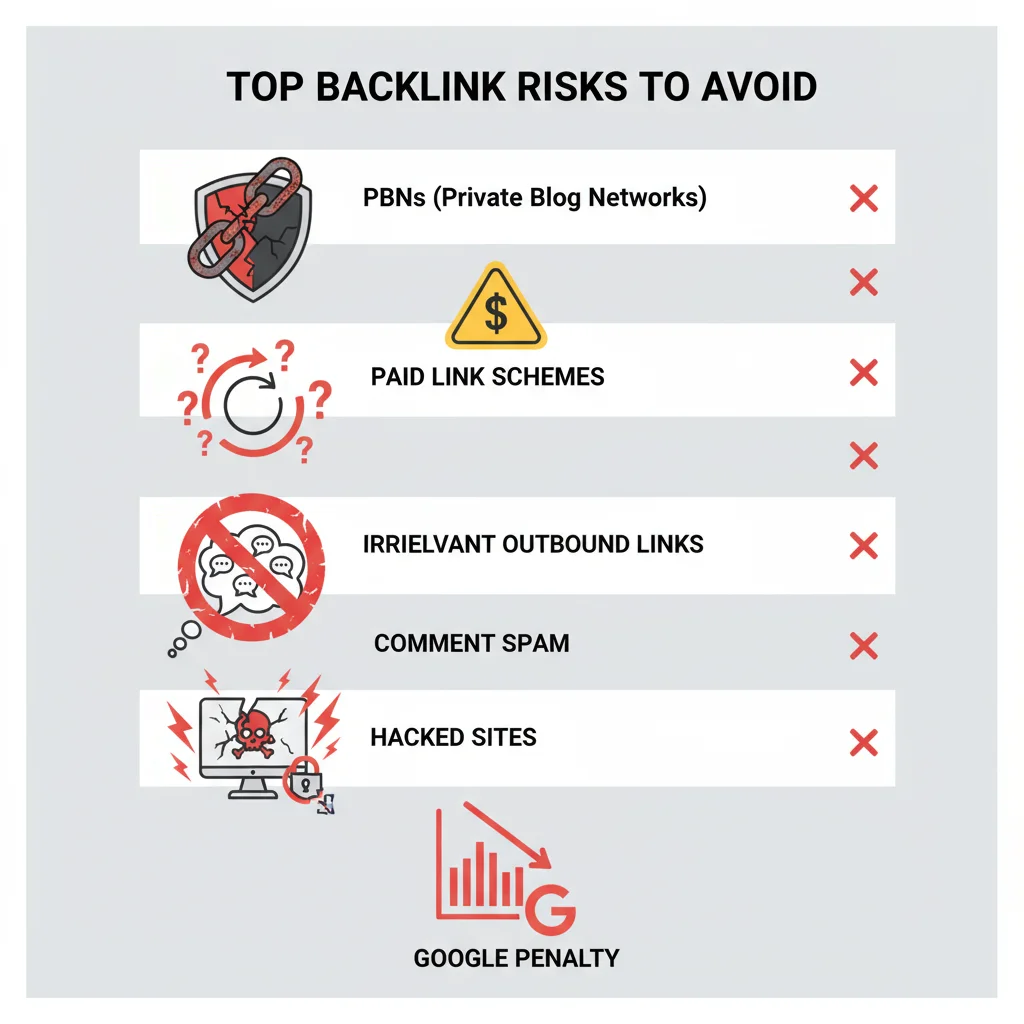
Even one bad backlink can cause ranking drops or manual penalties. If you’re unsure whether some of your existing links are secretly hurting your rankings, read our guide on identifying Ahrefs toxic backlinks that can silently sabotage your SEO.
Avoid these red flags:
- Private Blog Networks (PBNs)
It’s tempting to think buying backlinks will save time, but it’s one of the biggest SEO traps — discover why buying backlinks is a bad idea for long-term growth.
- Paid or “package” backlinks
- Comment or forum spam
- Links from sites with low domain trust or duplicate content
- Irrelevant outbound links or hacked pages
Even if your backlinks look clean, your site can still be attacked through other tactics — here’s what to know about negative SEO without backlinks and how to defend against it.
Always perform quarterly backlink audits via Google Search Console or Ahrefs to stay ahead of any potential threats.
The Future of Backlinks: What Google Will Reward Next
Google’s algorithms are evolving fast. Backlinks that once boosted rankings can now trigger penalties if they lack real context.
Here’s what’s shaping the future:
1. Relevance Beats Quantity
Links must come from sites that share your niche or audience. One contextual mention outweighs ten random links.
2. Author Reputation Matters
Backlinks from verified experts or recognized writers will gain more value than those from anonymous contributors.
3. Engagement Signals Will Count
Google increasingly values backlinks that generate real user actions — clicks, time on page, or shares.
4. AI Detection Will Be Stricter
Google’s machine learning now spots link patterns that look unnatural — paid networks, duplicate anchors, or fake outreach.
5. Brand Mentions Become Ranking Power
Even unlinked brand mentions help build trust and authority signals.
If your site has already been hit by a penalty, don’t panic. Learn how to recover from a bad backlinks penalty step by step and rebuild your SEO health safely.
| Old SEO | New SEO |
| Quantity of links | Context & quality |
| Domain Authority | Author credibility |
| Generic placements | Niche relevance |
| Paid link schemes | Genuine relationships |
How to Track and Measure the Success of Your Backlink Strategy
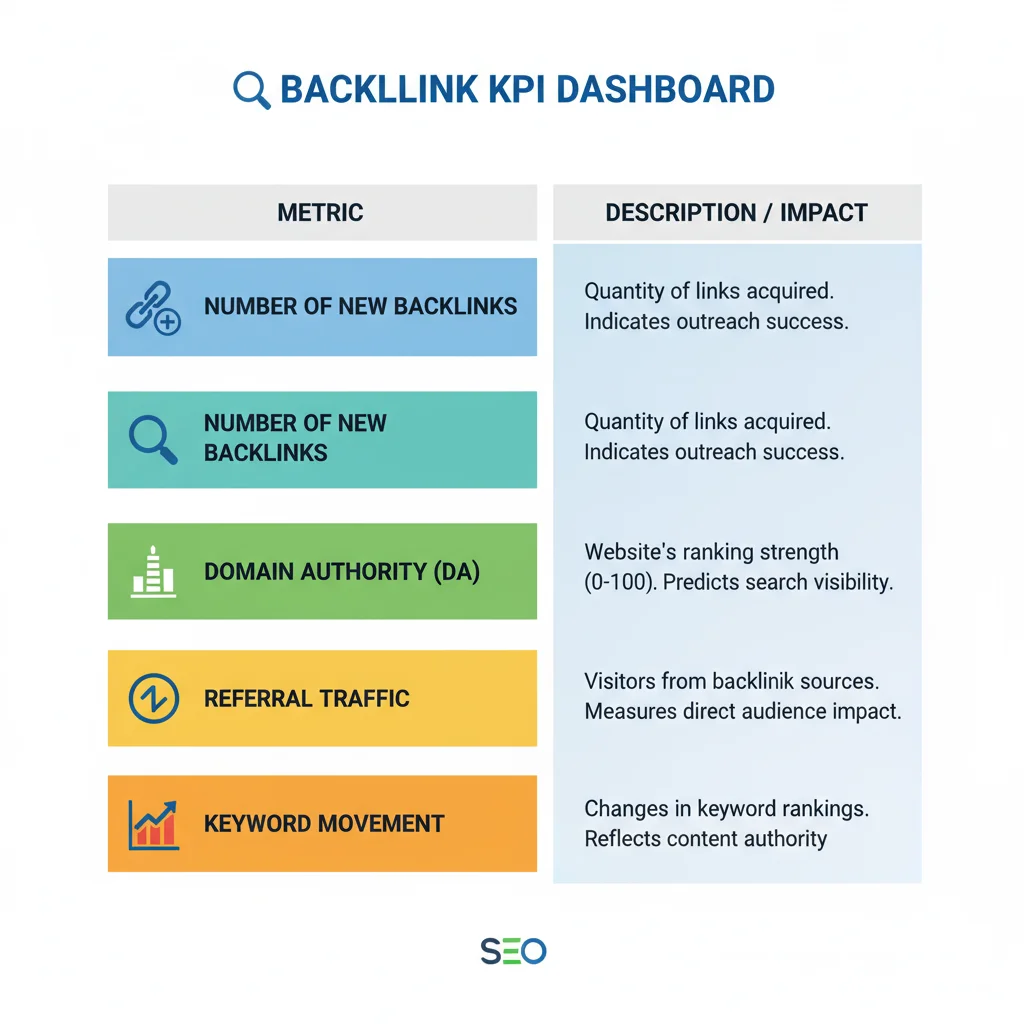
Building safe, relevant backlinks is only half the job — tracking their impact is what separates good SEOs from great ones. You need to know whether those links are driving authority, traffic, or real conversions.
Here’s how to monitor your backlink performance:
- Use Google Search Console:
Track new backlinks under the “Links” section. It shows which domains link to you and which pages earn the most links. - Check Referral Traffic:
Use Google Analytics to see which backlinks actually send visitors to your site. Safe, relevant backlinks often drive engaged traffic, not just ranking signals. - Monitor Keyword Rankings:
Tools like Ahrefs or SEMrush show if your keyword positions improve after new backlinks go live. - Audit Backlinks Regularly:
Remove or disavow toxic links that appear over time to keep your profile clean.
If you’ve ever received a red flag from Google about your links, learn exactly [what an Unnatural Links Warning means and how to fix it before rankings drop].
Pro Tip:
Create a detailed tracking table like this to monitor backlink performance and understand what’s actually working in your strategy.
| Metric | Tool Used | Goal / Benchmark | Result (Current Month) | Change vs. Last Month | Insights / Next Action |
| Number of New Backlinks | Ahrefs | 20 per month | 18 | -2 | Slight dip — focus on outreach follow-ups and reclaim unlinked mentions. |
| Referring Domains’ Average DA | Moz | 40+ | 47 | +3 | Excellent quality — continue prioritizing niche sites above DA 40. |
| Organic Traffic Growth | Google Analytics | +15% MoM | +19% | +4% | Organic reach is improving — backlinks are driving real engagement. |
| Keyword Movement (Top 10 Terms) | SEMrush | +5 positions average | +7 positions | +2 | Target pages ranking higher — maintain balanced anchor text diversity. |
| Traffic from Backlinks (Referral) | Google Analytics | 500+ visits/month | 620 | +120 | Strong referral traffic — identify which links bring the most users. |
| Spam / Toxic Score | Ahrefs or Semrush | Under 5% | 3.1% | +0.3% | Safe zone — continue quarterly audits to stay penalty-free. |
| Conversion from Referral Traffic | Google Analytics | 2%+ | 2.4% | +0.4% | Good engagement — nurture partnerships with high-performing domains. |
| Backlink Indexing Rate | Google Search Console | 90%+ | 88% | -2% | Slight drop — resubmit unindexed URLs or use internal linking boosts. |
How to Use This Table Effectively
- Update it monthly to track your backlink quality trends.
- Highlight 2–3 metrics that directly impact revenue or leads.
- Use “Change vs. Last Month” to visualize progress or issues fast.
- Add notes for “Next Action” to keep your SEO team accountable.
By monitoring these numbers monthly, you’ll know which tactics generate the safest, most relevant backlinks — and which ones need refining.
Questions About Building Backlinks That Actually Work
Will I get in trouble for buying backlinks?
My SEO guy says I need hundreds of backlinks to compete. Is that true?
How can I spot a shady backlink opportunity?
Are these new ‘AI-powered’ link services any good?
Why is my competitor getting away with obvious paid links?
What’s actually working for small businesses right now?
Are AI backlink tools reliable?
Build Your Authority with Safe Relevant Backlinks
Earning backlinks is no longer about quick wins or bulk exchanges. It’s about trust, relationships and relevance. When you focus on creating value, nurturing real connections and leveraging smart tools like AI-driven platforms, your backlink profile becomes both strong and future-proof.
To accelerate this process safely, explore Postspack’s white-hat link-building services that are designed to help you earn high-quality backlinks that stand the test of time.
Start building your brand’s authority the right way — one safe relevant backlink at a time.